
Do I Have to Supply and Maintain Appliances in My Property?

Do I Have to Supply and Maintain Appliances in My Property? Imagine you are a potential tenant who has just found your dream renting space. You are about to seal the deal, but you suddenly realize that the kitchen is quite bare. Appliances like fridges and stoves appear to be a necessity that should be supplied in all properties, but is this really the case? In this article, we take a deeper look into who should be responsible for supplying and maintaining appliances in a rental property. Laws: Currently, there are no state laws that require landlords to supply appliances (aside from heating and air conditioning, which are required as necessities). However, the South Carolina Landlord-Tenant Act does require landlords to outline and uphold the contract of whatever appliances they do decide to provide. This includes maintenance along with the provisions. While appliances are not legally required, it is worth weighing the options of supplying tenants with the basics. Short Term vs. Long Term: Appliances tend to be an attractive quality to potential tenants, as many are looking to move-in-ready options. If your rental property is located in a heavy traffic spot, such as a vacation town or college city, appliances are especially attractive to renters. Providing appliances also acts as a competitive advantage towards surrounding properties who have made the decision to not supply appliances. If a property manager’s desired clientele consists of short term renters, he or she should consider providing appliances. However, if a long-term tenant is the goal, he or she may want to consider excluding appliances to allow the renter to bring their own. If a landlord does not want to heavily invest in appliances, but still wants to reap the benefit of doing so, a solution is available by providing essentials such as a stove, refrigerator, and washer/dryer unit, and asking tenants to supply their own microwave, toaster, and coffee maker. Maintenance: When it comes to the maintenance of appliances, it is appointed to the person who owns the item. If a landlord provides a stove, and that stove has to be repaired after years of wear and tear, the landlord is responsible for repairing and paying for the maintenance. However, if the landlord supplies a fridge and the tenant breaks the light inside, the tenant is responsible for the damage and cost to fix it. So, should the landlord be responsible for supplying and maintaining appliances? South Carolina state law does not require landlords to provide appliances; however it is worth considering the benefits of doing so. Regardless, if a landlord does decide to provide appliances, he or she must uphold the provisions and maintenance as outlined in the lease. CONTACT US We would love to hear from you! So let’s set up a meeting today. Please fill out the form and you will receive an email from us. If you do not get the email in the next 5 minutes, check your spam/junk folder. We will make sure that someone gets in touch with you as soon as possible. Leave us a message Jen Assip Property Manager Have any questions? Call us: 843-232-0000
Myrtle Beach Lease Expirations and Renewals

Myrtle Beach Lease Expirations and Renewals Overview Maintaining awareness of when your property lease expires is a key to repeated renewals by a tenant. Some landlords are afraid to contact or discuss the lease renewal in hopes the tenant will forget. But this is a poor concept. The tenant is going to do what is in their best interests, so addressing their future plans gives you a chance to have some input into their thinking. By establishing contact at least 90 days prior to expiration, you determine how they like living in the property. You also can address any unresolved maintenance issues and what you are doing to satisfy them in a timely manner. Additionally, they want to know if the rent will increase and by the amount the landlord will require. It’s possible the next year can be determined by a mutual agreement that satisfies both parties concerns. Moving is a hassle, expensive and there is no guarantee that the next residence will be a better lifestyle for them. Don’t be afraid to increase the rent – Educate your residents to expect small but incremental lease renewals. As a rental property owner, your bills go up annually. Build in a yearly rent increase just to stay even on your income. However, never be excessive in the amount of monthly increase. You never want to lose a good tenant over rent increases. The market adjusts periodically to a landlord’s advantage. Remember that over time, a good tenant can save you a lot of money in turnover costs and vacancy expenses. Our Services Whether you self-manage or use a property manager for your Myrtle Beach rental property portfolio, your goal is always the same — keeping great tenants for as long as possible is the name of this game. The Berkshire Hathaway HomeServices – Coastal Real Estate team is here to serve as a property management resource to you along the Grand Strand of Myrtle Beach. If you are working through a lease renewal or have questions on any other property management topics, give our team a call. 843-232-0000. CONTACT US We would love to hear from you! So let’s set up a meeting today. Please fill out the form and you will receive an email from us. If you do not get the email in the next 5 minutes, check your spam/junk folder. We will make sure that someone gets in touch with you as soon as possible. Leave us a message Jen Assip Property Manager Have any questions? Call us: 843-232-0000
Complete Fall Maintenance Checklist for Your Rental Property
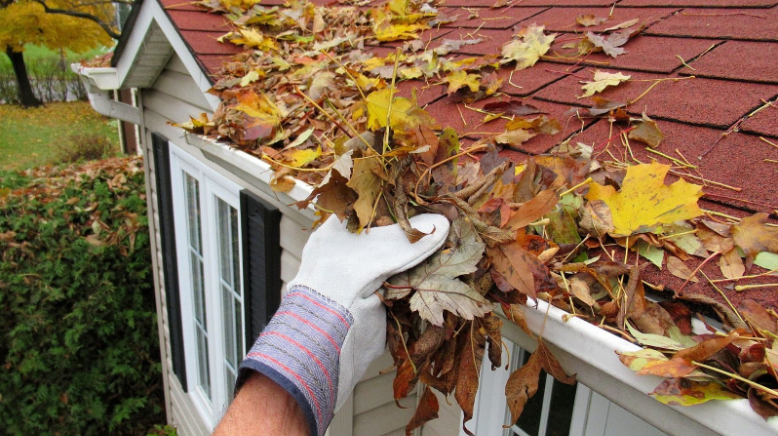
Complete Fall Maintenance Checklist or Your Rental Property Fall is nearly in full swing, and we want to make sure your rental property is ready for a change in season! Compiled below is a checklist of the areas you should pay attention to when preparing your property for the cooler months and the continuing storm season along the Grand Strand. Inspect the roof and clean out gutters Stop leaks before they happen by checking the roof for potential concerns; carefully search for holes or broken shingles. Before the autumn leaves start to fall, clean out the current leaves and twigs from your gutter to ensure it doesn’t become backed-up. Freshen up the landscaping Rake dead leaves, trim grass, and supply surrounding plants with the necessary nutrients. Trim trees that are close to your property and make sure they are stable enough for a storm to blow through. If a tree close to the property is dead, consider removing it to make sure no future damage ensues. Don’t forget to check the drainage system in the yard and make improvements if necessary. Not only does a freshly manicured lawn look appealing, but it can also help save your home when a storm blows through. Replace batteries and lightbulbs To ensure your tenants stay safe, replace the smoke detector and carbon monoxide detector batteries, and test both to confirm that they are working properly. Remember that the batteries should be replaced every six months, and the detectors should be tested every month. To make sure your tenants stay happy and bright, replace lightbulbs as needed in both the interior and the exterior of the property. Seal everything Check all doors and windows to ensure they are properly sealed from harsh wind and rain, and to save on heating and energy costs. If you find them less than satisfactory, seal concerning areas with caulking. In some cases, windows and doors may have to be entirely replaced. Check and maintain HVAC system To guarantee it works properly and lasts longer throughout the fall and winter months, perform routine maintenance on your property’s HVAC system. It is recommended to replace the filters every thirty to ninety days, clean the vents regularly, and clean the outdoor unit as well. Most importantly, before the cold becomes too brutal, make sure your heating system works. CONTACT US We would love to hear from you! So let’s set up a meeting today. Please fill out the form and you will receive an email from us. If you do not get the email in the next 5 minutes, check your spam/junk folder. We will make sure that someone gets in touch with you as soon as possible. Leave us a message Jen Assip Property Manager Have any questions? Call us: 843-232-0000
Should Tenants Do Their Own Repairs?

Should Tenants Do Their Own Repairs? Most often a property manager has received the dreaded midnight phone call from an angry tenant filing a maintenance complaint. Sometimes the problem may require a simple solution, however, there are times where the problem is more complex, requiring electrical or plumbing expertise. No matter the situation, the age-old question of, “Should the tenant fix it?” exists. To aid in the answer, here are some steps to take when considering who should be responsible for repairs. Assess Urgency: First, determine the urgency of the situation. When a tenant calls, ask for a complete description of the problem in detail, as well as an assessment of how urgent the situation is. When receiving this information, use your best judgement to determine whether the damage is a pressing matter to take care of now, or something that can wait until the morning. For example, a leaky faucet will survive the night, but a pipe burst requires immediate attention. If the damage requires quick action, it is best to call an expert to handle the situation right away. However, if the damage can withstand some time, go to the property to assess the damage first-hand. You should also ask the tenant how the damage occurred. This will help you get a good idea of what type of repairs will be needed, which in turn, will help determine who is best suited to fix it. Tenant at Fault: If the tenant is responsible for the cause of damage, and the damage is considerably small, then the tenant should also be responsible for repairing it. Examples of this include patching small holes in the wall, or replacing a broken light fixture. However, if the damage is considerably large and requires more complicated repairs, the property manager should be responsible for either fixing it, or hiring a professional to do so. In this case, the tenant should still be responsible for paying for the damage and repairs. Normal Wear and Tear: If the damage is a result of breaking down from daily living, then the property manager should be responsible for repairs. However, the question of whether the manager should attempt to repair the problem themselves, or hire an expert still requires more thought. As a good rule of thumb, if the property manager does not have experience in making a specific repair, then he or she should consider calling a professional. A professional should also be called anytime a repair requires a license, or contains potential risk – both safety-wise and money-wise. An example of this includes electrical wiring repairs. Summary: So, should tenants do their own repairs? The answer depends on the urgency, situation, legality, and your best judgement as a property manager. You should count on your tenant to take care of minute issues, however, a more demanding repair will require someone with special expertise. But, for any repair situation, always remember to communicate your solution with the tenant to avoid any possible confusion. CONTACT US We would love to hear from you! So let’s set up a meeting today. Please fill out the form and you will receive an email from us. If you do not get the email in the next 5 minutes, check your spam/junk folder. We will make sure that someone gets in touch with you as soon as possible. Leave us a message Jen Assip Property Manager Have any questions? Call us: 843-232-0000
Adding Value to Your Rental
Pets and Rental Property “Adding value” to a rental property, addresses the home features, conveniences, or extras that make a rental property more desirable. Added value really is about enhancing the appeal of your rental above other homes it will compete with. What features cause a really good prospect to want your rental property vs another one down the street? In our experience, high quality tenants have a sense of identity that even their rental property needs to portray. Just because they don’t own the property, doesn’t meant they don’t want it to be their home! The more your property feels like a home, the more likely you will attract quality tenants to live there. Feature Appeal: Feature appeal can be a nicely fenced back yard or more modern luxury vinyl plank flooring in main living areas. It can be low maintenance yards because they require less weekly effort to keep attractive. Or, it can be extra storage racks in the garage. Improving your rental property with lifestyle features doesn’t have to be done all at once. We recommend property owners stay aware of the features that matter most to tenants over time and incrementally make “added value” improvements as tenants commit to stay longer. Feature Appeal: Your goal is to make a profit between your initial investment and incremental improvements for adding value to make your home lease for more money and retain tenants’ long term. The ability to attract the best potential tenants depends on how your property stands out from others. A smart investor chooses to make value-based improvements that do not over improve the property yet keeps it strategically competitive. Our expert evaluation of your property will temper this cost to benefit decision so that you gain the optimal potential income and reduce repetitive wear & tear maintenance while retaining tenants longer. Added value is a smart ownership strategy to make sure your property stands out in the market, while achieving the highest market rent. Contact Us We would love to hear from you! So let’s set up a meeting today. Please fill out the form and you will receive an email from us. If you do not get the email in the next 5 minutes, check your spam/junk folder. We will make sure that someone gets in touch with you as soon as possible.
Four Keys to Successful Investment Selections in Myrtle Beach

Four Keys to Successful Investment Selections These four keys should help guide you in your pursuit of buying and owning residential investment property in Myrtle Beach. By setting smart buying parameters, you will increase your odds of enjoying better investment income. Emotional Attachment An investment property should not have an emotional attachment to it. Renting the home, that you grew up in for instance, is not a good idea because you are too attached to its out-of-date features that you hold dear in your memories! A rental unit is an investment designed to make you money, not preserve your childhood memories. Keep your childhood home and live in it or use it as a second home, but do not rent it. It’s won’t be a fun place for either of you! Sell your inherited family home and buy another property ideally suited for its appeal to the rental market and enjoy your intended financial rewards! Bedrooms Your target audience for a rental property is a two-to-four-bedroom unit. One or five- bedroom units take longer to rent and tend to turn over more often. The sweet spot in leasing residential property is a three bedroom, two or two and one-half bath, with a bonus room, double car garage and fenced back yard. Stick within these parameters to ensure rental home is always in high demand when it becomes vacant and pays you top rental income. Landscaping Low-key landscape maintenance is critical when selecting a prospective rental property. Few tenants enjoy yard maintenance so yards that require little time maintaining adds value to their lifestyle experience. Grass is usually an attractive basic feature when there are limited amounts and in appropriate areas for use. You can make a home more appealing for a tenant with lower maintenance ground surfaces such as mulch or low maintenance shrubs. Talk to your property manager or a landscape professional about a low maintenance landscape conversion before you buy a property and make sure your ideas are compatible with the community POA requirements. Floor Plans Avoid unique, odd or unusual home designs or floor plans. Someone surely must have had a dream in mind when they built a unique style home. But unique probably won’t suit many tenants who just want to live a normal rental experience. Attempting to convert the home into something more normal is usually more trouble than it is worth. Just stay in the boring mainstream of housing with NORMAL spaces and functionality to appeal to 95% of your target market. Play the odds and enjoy the rewards! Finally, call us about the homes you are considering BEFORE you initiate a contract or while you are in your due diligence period. We will be happy to offer you our observations, recommendations and provide you with a rental value range to help you in your assessment process. Invest wisely and enjoy solid tenancy retention, income, equity growth and less stress. That’s our formula to making a successful investment!
Kitchen Upgrades

Kitchen Upgrades Rental properties that already have an upgraded kitchen hold a market advantage to attract tenants that care about their home and the image it presents to their friends. Creating affordable and esthetic kitchen upgrades is an investment that will pay dividends to attract and retain quality tenants for you in the years to come. Cabinets: Fortunately, there are a few cost-effective changes you can make, which will give the updated look a tenant craves with significantly less cost to accomplish this strategy. To update the cabinets, you will not need to replace them to change the look of the kitchen. Consider refacing the cabinets by replacing the cabinet doors and leave the cabinet bases in place. A fresh coat of paint in a new neutral color can dramatically change the look. Anything too bright or distinctive can clash with a tenant’s color pallet of their furnishings. Keep it simple yet elegant. Countertops: By adding new wall backsplash and countertops, you can further enhance the impact of your cabinet refacing. Remember that trends come and go, so it is important to stay up-to-date on what people are currently looking for. Countertops vary in price and durability. Getting the most expensive top is not necessary. Choose a builder grade quality countertop and keep the pattern or color to a more subdued tone. Let the countertop supplier know it’s for a rental property so they can suggest the best value options. Backsplashes vary widely from subway tile to stacked stone or colored glass. It’s best to stay with subtle colors and textures with light gray, light blue, and sand tone colors. Coordinating these accents will quickly change the esthetic feel of the space and present a contemporary appeal. Lighting: Now is the time to remove the old-style fluorescent lights and replace them with some of the latest options in kitchen lighting fixtures. There are a variety of options from hanging chandeliers to ceiling-mounted LED lights, ceiling can light, and wall accent lights. There are so many fixtures to choose from! A local lighting fixture store can help you fit the fixture to the space you are working to accent. Hardware: The finishing touch to your new cabinets will be selecting new cabinet knobs, pulls and door hinges on cabinets and drawers. These accents are an important change that will add the contemporary style to the kitchen so that it will accentuate the desirability of this home’s lifestyle to a prospective tenant. Appliances: Outdated black or white appliances can depress the visual appeal of a kitchen. The good news is that modern stainless-steel appliances have become more affordable. You do not need to purchase high-end appliances in an annual rental property for it to be appealing. Always choose a mid-level price point from quality appliance brands so that they will last 10 years or longer. Summary: Adding a few contemporary kitchen upgrades can be affordable. Take a quick inventory of the kitchen space needing a new look and explore how just a few strategic changes make a huge difference in the look and feel of your rental property. Tenants today are looking for updated kitchens that give the impression of life in 2020; not 1990! To enhance your market position for a competitive advantage, and higher lease rates, influence prospective tenants’ tour, and home selection choice, by offering a lifestyle they are willing to mentally and emotionally adopt. We hope this information helps you in your decision process on how to update the kitchen in your annual rental property. Contact Us We would love to hear from you! So let’s set up a meeting today. Please fill out the form and you will receive an email from us. If you do not get the email in the next 5 minutes, check your spam/junk folder. We will make sure that someone gets in touch with you as soon as possible.
Screening Tenants

Screening Tenants Overview: If you are considering a move to a new area, you will likely need to find an annual rental as your new home. If so, make sure you know the prequalification issues that will determine your capacity to lease the home of your choice. When screening tenants, Landlords look most favorably at Tenant applicants with a good credit history, clean background check, clean eviction history, stable employment, sufficient income, and positive landlord and employer references. Having excellent ratings on all these items provides you with a high level of assurance that your application will gain a favorable consideration for approval. Sufficient Income: When you apply for an annual rental property, ensure you make sufficient income to afford your monthly rent. Typically, you need five times the rent amount in net pay to establish affordability. Having sufficient and regularly occurring income helps you avoid running short in the ability to pay your rent on time. Not paying on time leads to late fees, NSF (non-sufficient fund) fees or ultimately an eviction because you were unable to pay the rent. Credit History: A healthy credit history demonstrates that you pay all your bills promptly and make it easier for a Landlord to acknowledge that you will pay the rent on time; therefore, they are motivated to approve your rental application. A typical credit report shows all your loans and credit card balances. If your ratio is too high, you could be denied because it indicates you could struggle with rent payments. Your credit history can show numerous missed payments or collections, causing you to be denied for a lease. Be sure to ask the property management company early in the process if they have a minimum credit score. Past Evictions: If you have had an eviction, this creates some severe challenges to a new lease approval! Being evicted indicates that rent was not paid on time, was uncollected. It could also mean an unwillingness to abide by basic conduct standards or not maintaining a property properly. Regardless of the cause, an eviction in your recent past is a difficult problem for a Landlord to overlook. Avoid this issue as much as possible to avoid expensive incentive deposits that may be necessary to give the Landlord a reasonable comfort level to consider you as a tenancy. Criminal History: Any arrest or criminal conviction will also add to the difficulty of gaining a lease approval. The last thing a Landlord wants is to deal with a person they fear will act unlawfully. The incident may be in the past, but wrong conduct is a barometer to possible future behavior problems. They will avoid this type of conflict at all costs. If you have these issues in your past, you will need to demonstrate a clear history for 2-3 years and a team of respected advocates who will vouch for your present lifestyle of managing your life correctly. Employment: Consistent and longstanding employment is an essential item for property managers and owners reviewing a lease applicant. It demonstrates the ability to conform to standards and work with other people effectively. Summary: As you can see, a Tenant application is somewhat like a personal profile snapshot. It provides a Landlord or Property Manager with the necessary but critical information to trust you with a highly valuable asset for which they are ultimately responsible. Demonstrating you are accountable, stable, and mature in your personal business affairs is the key to securing your next lease on the home of your desires. Happy home search! Contact Us We would love to hear from you! So let’s set up a meeting today. Please fill out the form and you will receive an email from us. If you do not get the email in the next 5 minutes, check your spam/junk folder. We will make sure that someone gets in touch with you as soon as possible.
Why Rent vs Buy?

Why buy or rent? Renting Instead of Buying The debate of rent vs buy should be qualified from several vital lifestyle and financial considerations. First, families who rent their homes eliminate routine out of pocket costs such as property taxes, insurance, maintenance, and other expenses involved in homeownership. Secondly, housing flexibility is an advantage for you to stay in one place or relocate to another neighborhood, community, or housing lifestyle for personal or professional pursuits. Thirdly, exiting a lease at the end of an annual rental term is as simple as a 30-60-day termination notice, cleaning the home, and disconnecting utilities. Finally, leasing allows you to relocate your home if you find yourself surrounded by annoying neighbors, their barking dogs, emerging crime, or loss of community conveniences that have changed. Owning a Home Owning a home has numerous advantages for personal wealth building purposes and personal satisfaction. Still, it comes at the price of a long-term commitment and financial responsibility of maintenance and market risk. Homeowners have more flexibility to modify their living space to customize it for personal preferences. Rent vs buy is a lengthy and cumbersome process that takes time and expense that can cost many thousands of dollars to sell and repurchase a home. Be sure to check out our amazing available rentals and other resources for renters! Contact Us We would love to hear from you! So let’s set up a meeting today. Please fill out the form and you will receive an email from us. If you do not get the email in the next 5 minutes, check your spam/junk folder. We will make sure that someone gets in touch with you as soon as possible.
What is the Fair Housing Act of 1968?
What is the Fair Housing Act of 1968? History The United States Fair Housing Act was created in 1968 when President Lyndon B. Johnson signed the Federal Fair Housing Act. This came following a prolonged legislative battle after the tragic assassination of Dr. Martin Luther King Jr. The Act extended the basic discrimination protections from The Civil Rights Act and citizen rights into the the housing market. The Fair Housing Law explicitly prohibits discrimination of housing to people based on race, color, national origin, religion, or sex. Additional amendments were added in 1988 that also included a person’s familial status and disability. The Act protects specific types of real estate activity from discrimination, which include the sale, rental, and financing of dwellings. Fair housing laws make it illegal to discriminate because of Race, Color, Religion, Sex, Handicap, Familial Status, and National Origin. In summary, Fair Housing laws allow people to make housing and financing choices free from unlawful acts of discrimination. Application When managing your property, you must be familiar with the Fair Housing Act to avoid discriminating against people. If an individual feels they may have been discriminated against by you, or a property manager, they can file a complaint with state or federal oversight agencies such as SCHAC (South Carolina Human affairs Commission) or HUD (the US Department of Housing and Development). HUD or SCHAC will complete an investigation of all parties involved in the alleged discrimination claim to determine, had grounds of merit, the case would be tried in State or Federal District Court, depending on the origin of the claim. If a judge decides discrimination occurred, then a Landlord could be ordered to pay civil penalty fines and attorney’s fees. To comply with the Fair Housing Act, property owners and managers must demonstrate that they are consistent with Tenant qualification screening. This is done through maintaining the same qualifying standards of leasing annual rental property. We support the Fair Housing laws of our state and nation as the right way to treat all people equally with fairness and mutual dignity that everyone deserves. Protect yourself against accidental or negligent discrimination claims, and you will avoid a costly lawsuit, by thoroughly familiarizing yourself with the Fair Housing Acts of South Carolina since they incorporate all the essential elements of the federal mandates. Contact Us We would love to hear from you! So let’s set up a meeting today. Please fill out the form and you will receive an email from us. If you do not get the email in the next 5 minutes, check your spam/junk folder. We will make sure that someone gets in touch with you as soon as possible.