
Minimize Turnovers with Effective Lease Renewals

Minimize Turnovers with Effective Lease Renewals Property management is largely about reducing needless expenses and serving the tenant in such a way that they love the home they lease. This comfort zone experience takes time and is largely a function of the tenant feeling that they receive good value for the rent they pay every month. Our goal as property managers is to deliver a home to the resident in optimal living condition and then maintain the property at that standard throughout their initial lease and beyond. Expense It’s important to remember that turnover is your biggest expense – If you have a good tenant, you should do everything in your power to keep them. In an example of a 30-year tenant, contrasted with that of a pattern of leasing to new tenants every two years, you’re looking at 15 turnovers! That translates into over a year of vacancy and lease income. Turnovers create more remodel repair and refresh costs. The longer you can keep a good tenant, the better it is for your bottom line. Treating Tenants One key guideline is to always treat your tenants well. Don’t be difficult to work with and then expect your tenant to want to resign at the expiry of their lease. Be prompt with their maintenance requests throughout the duration of their lease so that when it comes time to renew, the tenant will WANT to stay with you. Wants and needs are not always something a landlord wants to deal with because it means spending money and taking you time to deal with the request. Maintaining an objective attitude and fairly evaluating all requests is often hard, but necessary to maintain a great landlord-tenant relationship. Real Living Home Realty Group really takes pride in our ability to evaluate tenant needs and requests to make sure the tenant and the landlord are treated fairly. Balance, fairness and good will go a long way in establishing trust and a safe comfort zone all long term tenant’s desire. If we can help you find the sweet spot so you enjoy long term tenants, give us a call so we can help you keep turn over low. CONTACT US We would love to hear from you! So let’s set up a meeting today. Please fill out the form and you will receive an email from us. If you do not get the email in the next 5 minutes, check your spam/junk folder. We will make sure that someone gets in touch with you as soon as possible. Leave us a message Jen Assip Property Manager Have any questions? Call us: 843-232-0000
Paint Colors that Reduce Stress

Paint Colors that Reduce Stress In this hectic world, coming home to a relaxing home along the Grand Strand is increasingly essential to Tenants. Choosing soothing paint colors helps your Tenant to renew their energy in a calm, peaceful environment. The right wall paint color is an affordable strategy to help your annual rental property to stay rented. The design colors you choose to do as much as anything to create the home atmosphere help reduce stress. Using our recommendations also helps you mirror what new developer model homes in the Myrtle Beach area feature. Recommended Colors: As an annual rental property manager, I recommend painting your property in white or light shades of grey. In my experience, Tenants prefer these more neutral shades to work with their existing décor of furniture and accent furnishings. Lighter colors help to make living spaces feel more spacious, especially when dealing with smaller rooms, especially areas that have minimal square footage. Some people think that because we live in Myrtle Beach, the Caribbean color pallet would be preferable. Not for a rental property! Most people move here from somewhere else in the country. They may want these colors eventually as part of their home, but it’s a bit too much for their first Horry County residence. A home serves as the center of our personal lives. With our busy schedules, coming home should be relaxing and regenerating. We recommend painting an annual rental every 5 to 7 years. A professional painter is a great advisor because they can recommend the most popular neutral interior colors. Staying current with tenant preferences is essential when you want your property to stand out and looking it’s best when it’s time to replace an annual rental tenant. We hope this helps in the decision process of updating your annual rental to get the most value for your property. Please call us to help you initiate a soothing interior lifestyle for all of your rental properties. We are experts in helping you as a landlord accomplish your financial goals of higher income, lower maintenance, and stable annual tenants. CONTACT US We would love to hear from you! So let’s set up a meeting today. Please fill out the form and you will receive an email from us. If you do not get the email in the next 5 minutes, check your spam/junk folder. We will make sure that someone gets in touch with you as soon as possible. Leave us a message Jen Assip Property Manager Have any questions? Call us: 843-232-0000
Kitchen Upgrades

Kitchen Upgrades Rental properties that already have an upgraded kitchen hold a market advantage to attract tenants that care about their home and the image it presents to their friends. Creating affordable and esthetic kitchen upgrades is an investment that will pay dividends to attract and retain quality tenants for you in the years to come. Cabinets: Fortunately, there are a few cost-effective changes you can make, which will give the updated look a tenant craves with significantly less cost to accomplish this strategy. To update the cabinets, you will not need to replace them to change the look of the kitchen. Consider refacing the cabinets by replacing the cabinet doors and leave the cabinet bases in place. A fresh coat of paint in a new neutral color can dramatically change the look. Anything too bright or distinctive can clash with a tenant’s color pallet of their furnishings. Keep it simple yet elegant. Countertops: By adding new wall backsplash and countertops, you can further enhance the impact of your cabinet refacing. Remember that trends come and go, so it is important to stay up-to-date on what people are currently looking for. Countertops vary in price and durability. Getting the most expensive top is not necessary. Choose a builder grade quality countertop and keep the pattern or color to a more subdued tone. Let the countertop supplier know it’s for a rental property so they can suggest the best value options. Backsplashes vary widely from subway tile to stacked stone or colored glass. It’s best to stay with subtle colors and textures with light gray, light blue, and sand tone colors. Coordinating these accents will quickly change the esthetic feel of the space and present a contemporary appeal. Lighting: Now is the time to remove the old-style fluorescent lights and replace them with some of the latest options in kitchen lighting fixtures. There are a variety of options from hanging chandeliers to ceiling-mounted LED lights, ceiling can light, and wall accent lights. There are so many fixtures to choose from! A local lighting fixture store can help you fit the fixture to the space you are working to accent. Hardware: The finishing touch to your new cabinets will be selecting new cabinet knobs, pulls and door hinges on cabinets and drawers. These accents are an important change that will add the contemporary style to the kitchen so that it will accentuate the desirability of this home’s lifestyle to a prospective tenant. Appliances: Outdated black or white appliances can depress the visual appeal of a kitchen. The good news is that modern stainless-steel appliances have become more affordable. You do not need to purchase high-end appliances in an annual rental property for it to be appealing. Always choose a mid-level price point from quality appliance brands so that they will last 10 years or longer. Adding a few contemporary kitchen upgrades can be affordable. Take a quick inventory of the kitchen space needing a new look and explore how just a few strategic changes make a huge difference in the look and feel of your rental property. Tenants today are looking for updated kitchens that give the impression of life in 2020; not 1990! To enhance your market position for a competitive advantage, and higher lease rates, influence prospective tenants’ tour, and home selection choice, by offering a lifestyle they are willing to mentally and emotionally adopt. We hope this information helps you in your decision process on how to update the kitchen in your annual rental property. CONTACT US We would love to hear from you! So let’s set up a meeting today. Please fill out the form and you will receive an email from us. If you do not get the email in the next 5 minutes, check your spam/junk folder. We will make sure that someone gets in touch with you as soon as possible. Leave us a message Jen Assip Property Manager Have any questions? Call us: 843-232-0000
Hiring a Property Management Company

Hiring a Property Management Company Overview: Rental property owners and investors should almost always employ a professional property management company, and the reasons are multiple. Their experience and skill will benefit your investment strategy by saving you time and worry. They can help with effective marketing, collecting rent, handling maintenance repairs, responding to tenant complaints, and pursuing evictions if necessary. By employing a competent and trustworthy property management company, you will greatly improve your rental property business strategy. Effective Property Managers work to assure that you earn the highest rental rate in the market place your property competes within. They also stay engaged with tenants so that you receive timely rent payments. Your property gains maximum exposure when your property is marketed so that you will attract the most qualified tenants. They employ reputable vendors to maintain the integrity of your property. Most importantly, a qualified property manager will assure that you and your rental property are maintaining compliance with all laws. Every one of these points creates assurance that you are optimizing your rental property. There is a cost associated with professional property management, but the cost is negligible when compared with the benefits. Some of the benefits include achieving a higher income, faster tenant placement, and improved tenant retention. Choosing a company: When deciding on your next property manager, choose an experienced person that is located where your property is. These professionals are experts at evaluating the competitive advantages and disadvantages of every property and neighborhood so they can accurately qualify optimal rental rates. An experienced property management expert also knows how to assess tenant needs so they can match the best home with the right family. Ultimately, Property Management is your best solution to effective Asset Management of your property and the income you should receive from it. We invite you to call us so that we can discuss how Real Living Home Realty Group Property Management can increase your bottom line and enhance your personal real estate investment experience. CONTACT US We would love to hear from you! So let’s set up a meeting today. Please fill out the form and you will receive an email from us. If you do not get the email in the next 5 minutes, check your spam/junk folder. We will make sure that someone gets in touch with you as soon as possible. Leave us a message Jen Assip Property Manager Have any questions? Call us: 843-232-0000
How Much Should I Budget for Repairs?

How Much Should I Budget for Repairs? One of the challenges of managing a property is determining whether property damage is from a natural cause, or a tenant’s negligence. Knowing the difference aids in determining who is responsible for the repairs and cost of repairs, as well as settling disputes when this argument arises. To help guide you, below are the definitions and examples of wear and tear, and damage, as well as how to determine which is which. Wear and Tear Simply put, wear and tear occurs naturally as a result of daily living; it is considered a depreciation, rather than an expense. For this reason, landlords are expected to make these repairs and cover the costs for them. However, just because these repairs may be small and expected, does not mean that they should be ignored. Wear and tear should be treated with the same care and attention as damage. Examples of wear and tear include: Hardware becoming loose Cracks forming in paint Worn patches in carpet in common traffic areas Slightly scratched countertops from pots and pans Damage On the other hand, damage is a direct result of the tenant, and is considered an expense on the tenant’s behalf. If the required repair is small and simple enough, then the tenant can repair the damage on his or her own, however, larger repairs should be inspected and handled by the property manager. In any case, the tenant is still responsible for the damage, and consequently, responsible for the costs. Examples of damage include: Stains in carpet Holes in wall (both small and large) Markings on wall Chipped and/or broken tiles Broken window and light fixtures How do I tell which is which? For starters, carefully examine and assess the situation with these definitions in mind. It can be quite easy to tell the difference between a worn patch in a carpet versus a cut-out square. However, some situations may require more thought than others, such as chipped paint on walls. Keep in mind that a good indicator of damage is if a repair or replacement is needed outside of regular maintenance. But, it is important for the property manager to use his or her best judgement and consider wear and tear versus damage on a case-by-case basis. CONTACT US We would love to hear from you! So let’s set up a meeting today. Please fill out the form and you will receive an email from us. If you do not get the email in the next 5 minutes, check your spam/junk folder. We will make sure that someone gets in touch with you as soon as possible. Leave us a message Jen Assip Property Manager Have any questions? Call us: 843-232-0000
Earning a Tenant’s Trust

Earning a Tenant’s Trust Every relationship is ultimately built on trust. The relationship between a landlord and tenant must be one where both parties’ values, understands that integrity and mutual respect is the basis for their future together. Within the ever-expanding Myrtle Beach marketplace, developing new home opportunities between landlords and tenants is our constant process. Blending relationships between new residents in Horry County and annual leasing property owners is our specialty. A landlord has invested a lot of money to make a tenant home available. Their greatest need is for the tenant to pay their rent on time and treat the home well. A tenant is paying the landlord a market value to live in a home that the landlord should maintain the homes physical appearance, mechanical systems and coordinates scheduled work on the house with the tenant, when it is needed. They want to enjoy the property as their “home” and so they appreciate the landlord not being too involved in their daily life. Quiet enjoyment is a legal term that basically means they don’t like being harassed by a micro-managing or nervous landlord. Yard Maintenance: Yard maintenance is always a sore spot for tenants and POA’s, and tenants are rarely great landscape maintenance managers. They may lack the equipment or time to do what is necessary to stay in appearance compliance. We recommend the landlord include landscape maintenance with a professional lawn care company. If you contract with one who already maintains yards in the neighborhood, you can probably provide this service for about $100 per month. This is added value that the tenant will appreciate, and you will probably be able to adjust in your rental value to absorb most, if not all of the expense. Finding ways to bridge natural challenges between a landlord and tenant builds trust and a more enjoyable relationship. Property Management: Trust is worth working toward for all parties. Our role as a Property Manager is to remove the emotional aspect that often corrupts what should have been a good tenant and landlord experience. We use diplomacy and maintain a mission type focus on everyone’s common goal to enjoy life. Our consistent, trust in all parties guides our property management efforts to ensure that our clients achieve that valued partnership. Call us to so we can help you lease your properties and enjoy your life as a property investor. A tenant who trusts their Landlord is more likely to communicate with you to resolve problems. A tenant wants to be more than just another revenue stream. Also, the tenant is more likely to work with you, even if it causes an inconvenience to them. Ways to Earn Trust: Ways to earn the tenant’s trust include not overcharging for screening fees. South Carolina does not have a set limit on the amount you can charge for screening a tenant, so screening fees should not be a source of income. The same applies to late fees. Include yard maintenance in the rent. Most prospects moving to Myrtle Beach have a full-time job lined up, and they are looking for a great place to live with minimal lawn maintenance. It is proven that most people are so busy, and that they do not have time for lawn maintenance. Do you want to ensure your lawn is taken care on a regular basis? Unknown to most people, most lawn maintenance cost less than $100 a month. In addition to yard maintenance, be respectful of tenants’ rights to the property, such as the right to peaceful enjoyment. The Landlord covenants that the Tenant, on paying the rent and performing the covenants hereof, shall and may peaceably and quietly have, hold and enjoy the rented premises for the term mentioned without hindrance or interruption by the Landlord. Earning a tenant’s trust shows that you value them, and transparency and honesty go a long way. CONTACT US We would love to hear from you! So let’s set up a meeting today. Please fill out the form and you will receive an email from us. If you do not get the email in the next 5 minutes, check your spam/junk folder. We will make sure that someone gets in touch with you as soon as possible. Leave us a message Jen Assip Property Manager Have any questions? Call us: 843-232-0000
How to Get Rid of a Bad Tenant

How to Get Rid of a Bad Tenant? Every property manager has high hopes that all of their clients will be friendly, cooperative, and will take care of the home. Unfortunately, every once in a while you will come across an unruly tenant. So what do you do when you want a client to leave, but do not want to deal with the timely and costly consequences of sending an eviction notice? In this article, we give property managers some solutions for getting rid of a bad tenant. Before trying to get rid of the tenant, make sure your motives are in the right place. Property managers should always have a just cause for wanting a tenant to leave. Examples of this may include a tenant that damages the property often, or has a habit of paying rent late every month. Once you have the notion established, you can then use this to decide the best course of action for getting the tenant to leave. You should also keep in mind that there are illegal ways to rid a tenant – and these can cause serious legal inflictions. To avoid this, never try to “self-help” evict a tenant by changing locks, refusing property necessities (AC, heat, water, electricity), damaging the property, or threatening the tenant into leaving. All of the methods discussed below are legal, but property managers should use their best judgement to determine if they are the most ethical and effective in given circumstances. Have a Conversation: The first method is to simply have a conversation with the tenant. This method works best for tenants who have habits of paying rent late, or cause minor disturbances. Listen to their explanations and try to understand situations- if you are open to working with the tenant, they may be willing to work with you. Landlords can legally end the contract early if both parties agree on the early termination. Or in some cases, ending a lease may not even be necessary if a compromise is established where the tenant agrees to resolve discussed issues. Raise Rent: If a conversation does not end in an agreement, or the tenant does not uphold their word for change, more aggressive methods may need to be enacted. The first of these is raising the rent once the initial lease is up for renewal. It is important to note that in raising rent, you must always check state laws that govern how much you can raise rent at one given time. In South Carolina, there is no limit to how much you can raise rent at a time, nor is there a maximum amount of times you can raise rent. However, property managers must give tenants a thirty-day notice before rent will be raised. This method is best for short term rentals, or in cases when a tenant’s leave is not time pressing. Cash for Keys: If the first two methods do not work, don’t file for eviction just yet. The legal fees and amount of time your property is vacant during the eviction can cost you a large sum of money. Instead, an aggressive, but legal, solution is available that will get the tenant out and save you money. The “Cash for Keys” method gives the tenant a sum of cash in exchange for them leaving the property peacefully, and earlier than the lease. In determining the price to offer the tenant, consider offering a return on the unused time in the month of rent. Offering a tenant $500 is more cost effective than upwards of $7,000 for eviction. If you decide to enact this method, make sure to set specific conditions for the agreement to ensure your property is in perfect condition upon the tenants’ leave. The most important thing to remember when attempting to get a tenant to leave, is to treat them with respect and kindness. Eviction almost always causes angry tenants, which can result in property damages. But by taking a negotiative approach and offering compromises, property managers are more likely to achieve peaceful riddance of a pesky tenant. CONTACT US We would love to hear from you! So let’s set up a meeting today. Please fill out the form and you will receive an email from us. If you do not get the email in the next 5 minutes, check your spam/junk folder. We will make sure that someone gets in touch with you as soon as possible. Leave us a message Jen Assip Property Manager Have any questions? Call us: 843-232-0000
How Do You Recognize a Good Investment When You See One?
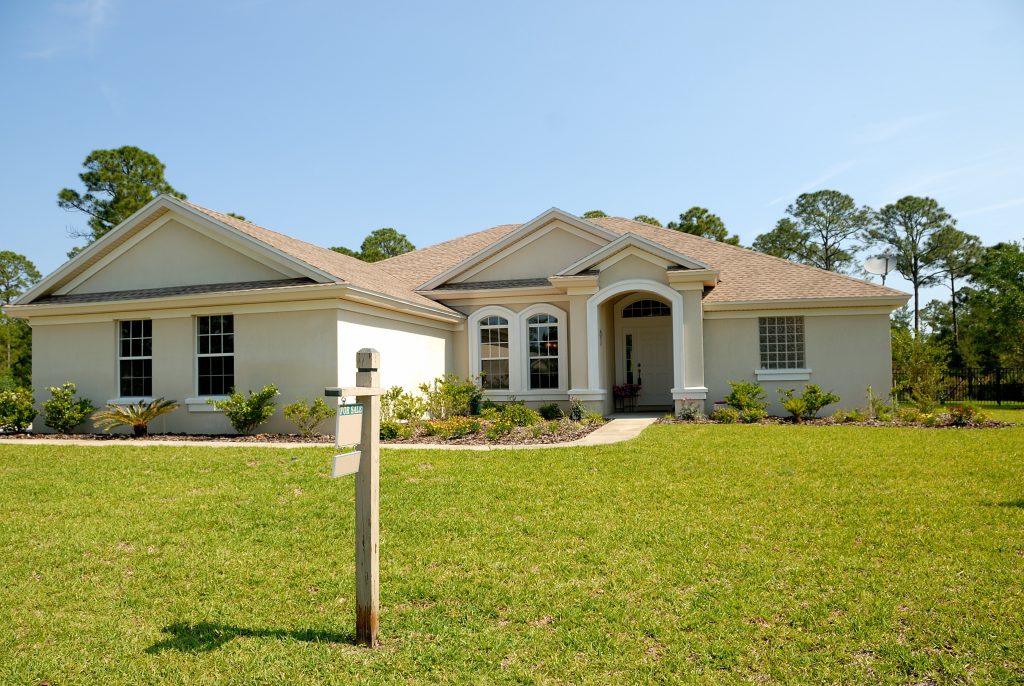
How Do You Recognize a Good Investment When You See One? At one time or another, you may have seen a “For Sale” sign on a house and thought to yourself, “I could make a profit off of that.” But, some properties have more potential for success than others. So, how do you recognize a good investment when you see one? Listed below are three considerations you should make before investing in a property. Property Location The first consideration you should make when looking at good investment properties is the location. For this process, you should set aside your personal living preferences, and examine the most ideal spot for potential tenants. For example, a unit in an urban community is most likely going to bring more traffic than a house in the countryside. Along with community location, you should also consider what shops and activities are available in the area. Examples of ideal shopping conditions include a grocery store, a convenience store, and a clothing/merchandise store. Activities vary based on specific locations, but can include the beach, tourist attractions, nature centers, libraries, recreation centers, and restaurants. Two more important aspects of location are the property’s proximity to schools and to workplaces. Determining ideal property locations for these conditions requires research about the leading occupations in the area, as well as the most popular schools. Researching schools in the area is especially important if you are targeting families and college students as potential tenants. These clients may be willing to pay more just for being closer to a highly-desired school. Property Condition When making a big purchase decision such as buying a property, you want to make sure the building itself is intact. If you are looking to invest in a recently constructed or renovated property, you will find yourself making a hefty purchase price. On the other hand, if you buy a fixer-upper, you will need to invest significant funds to get it in a rentable condition. It is most important to make sure the building is structurally sound and complies with regulations. This can be confirmed by a home inspector. Keep in mind that most properties are going to require repainting, window treatments, and/or appliance purchases; however, it is advised to stay away from properties that require major repairs like severe water damage or electrical problems. Along with the condition of the building itself, you should also pay attention to the curb appeal. Ideally, landscaping should be as simple as possible to save time and money during upkeep. While a large yard may be appealing to some tenants, if it is left unlandscaped it can become a hassle and an eye sore. A small yard can be dressed up with mulch, rocks, and small bushes/plants to make the outside of a unit look clean-cut while keeping maintenance low. Current Market The last, and arguably most important consideration when determining if a property is a good investment is the current state of the real estate market and economy. As a general rule of thumb, investors should buy low and sell high, however it can be difficult to determine what price is considered low when trying to invest in a fluctuating market. Two methods used to quickly gauge potential profitability are the 1% rule, and the 100 times rule. The 1% rule states that to produce a positive cash flow, at least 1% of the property’s purchase price should be able to be charged for rent. If you do not think you can charge that high of rent for the property, it is likely not a good investment. The 100 times rule states that if the price of the property is 100 times less than the rent, then it is likely to be a good investment. Both of these methods are good for general estimates, however you will need to perform more detailed calculations to determine if a property is truly a good investment. This entails gathering info such as monthly mortgage payments, property taxes, vacancy rate, and maintenance estimates and subtracting it from the amount of rent you expect to receive each month. Budgeting is an essential part of investment management and can be the difference between making a good or bad investment. CONTACT US We would love to hear from you! So let’s set up a meeting today. Please fill out the form and you will receive an email from us. If you do not get the email in the next 5 minutes, check your spam/junk folder. We will make sure that someone gets in touch with you as soon as possible. Leave us a message Jen Assip Property Manager Have any questions? Call us: 843-232-0000
Wear and Tear Vs. Damage

Wear and Tear Vs. Damage One of the challenges of managing a property is determining whether property damage is from a natural cause, or a tenant’s negligence. Knowing the difference aids in determining who is responsible for the repairs and cost of repairs, as well as settling disputes when this argument arises. To help guide you, below are the definitions and examples of wear and tear, and damage, as well as how to determine which is which. Wear and Tear Simply put, wear and tear occurs naturally as a result of daily living; it is considered a depreciation, rather than an expense. For this reason, landlords are expected to make these repairs and cover the costs for them. However, just because these repairs may be small and expected, does not mean that they should be ignored. Wear and tear should be treated with the same care and attention as damage. Examples of wear and tear include: Hardware becoming loose Cracks forming in paint Worn patches in carpet in common traffic areas Slightly scratched countertops from pots and pans Damage On the other hand, damage is a direct result of the tenant, and is considered an expense on the tenant’s behalf. If the required repair is small and simple enough, then the tenant can repair the damage on his or her own, however, larger repairs should be inspected and handled by the property manager. In any case, the tenant is still responsible for the damage, and consequently, responsible for the costs. Examples of damage include: Stains in carpet Holes in wall (both small and large) Markings on wall Chipped and/or broken tiles Broken window and light fixtures How do I tell which is which? For starters, carefully examine and assess the situation with these definitions in mind. It can be quite easy to tell the difference between a worn patch in a carpet versus a cut-out square. However, some situations may require more thought than others, such as chipped paint on walls. Keep in mind that a good indicator of damage is if a repair or replacement is needed outside of regular maintenance. But, it is important for the property manager to use his or her best judgement and consider wear and tear versus damage on a case-by-case basis. CONTACT US We would love to hear from you! So let’s set up a meeting today. Please fill out the form and you will receive an email from us. If you do not get the email in the next 5 minutes, check your spam/junk folder. We will make sure that someone gets in touch with you as soon as possible. Leave us a message Jen Assip Property Manager Have any questions? Call us: 843-232-0000
Do I Have to Supply and Maintain Appliances in My Property?

Do I Have to Supply and Maintain Appliances in My Property? Imagine you are a potential tenant who has just found your dream renting space. You are about to seal the deal, but you suddenly realize that the kitchen is quite bare. Appliances like fridges and stoves appear to be a necessity that should be supplied in all properties, but is this really the case? In this article, we take a deeper look into who should be responsible for supplying and maintaining appliances in a rental property. Laws: Currently, there are no state laws that require landlords to supply appliances (aside from heating and air conditioning, which are required as necessities). However, the South Carolina Landlord-Tenant Act does require landlords to outline and uphold the contract of whatever appliances they do decide to provide. This includes maintenance along with the provisions. While appliances are not legally required, it is worth weighing the options of supplying tenants with the basics. Short Term vs. Long Term: Appliances tend to be an attractive quality to potential tenants, as many are looking to move-in-ready options. If your rental property is located in a heavy traffic spot, such as a vacation town or college city, appliances are especially attractive to renters. Providing appliances also acts as a competitive advantage towards surrounding properties who have made the decision to not supply appliances. If a property manager’s desired clientele consists of short term renters, he or she should consider providing appliances. However, if a long-term tenant is the goal, he or she may want to consider excluding appliances to allow the renter to bring their own. If a landlord does not want to heavily invest in appliances, but still wants to reap the benefit of doing so, a solution is available by providing essentials such as a stove, refrigerator, and washer/dryer unit, and asking tenants to supply their own microwave, toaster, and coffee maker. Maintenance: When it comes to the maintenance of appliances, it is appointed to the person who owns the item. If a landlord provides a stove, and that stove has to be repaired after years of wear and tear, the landlord is responsible for repairing and paying for the maintenance. However, if the landlord supplies a fridge and the tenant breaks the light inside, the tenant is responsible for the damage and cost to fix it. So, should the landlord be responsible for supplying and maintaining appliances? South Carolina state law does not require landlords to provide appliances; however it is worth considering the benefits of doing so. Regardless, if a landlord does decide to provide appliances, he or she must uphold the provisions and maintenance as outlined in the lease. CONTACT US We would love to hear from you! So let’s set up a meeting today. Please fill out the form and you will receive an email from us. If you do not get the email in the next 5 minutes, check your spam/junk folder. We will make sure that someone gets in touch with you as soon as possible. Leave us a message Jen Assip Property Manager Have any questions? Call us: 843-232-0000