
8 Things You Should Avoid as a First-Time Renter
When Can You Evict Your Own Roommate? 1. Not Checking Your Credit Score With a low supply of available rentals, landlords and property managers are stricter than ever on applicant creditworthiness. According to real estate professional, Denise Supplee, “Since there are more and more applicants to choose from, the one with a strong job, good credit, and income will get an apartment over someone with little to no credit.” Making sure you meet the credit score requirement before applying will allow you to have a higher chance of scoring the property. You can easily check your credit score through free services online that provide tips for improving your credit. 2. Not Having Paperwork Ready In the world of rentals today, things move fast. For this reason, it’s important to have all your paperwork completed and ready to go. This includes a filled-out application form, six months’ worth of pay stubs, tax returns, references, and all your co-signer’s forms. Real estate experts recommend carrying a scanned copy of required documents for any showings you go to so you’ll always be prepared. 3. Assuming You’ll Get the Rental Just because you apply for a rental, that does not mean you are guaranteed to win the unit. Even if you have amazing credit and your finances are in order, the competitive market makes it difficult to predict whether or not you’ll land the lease. Keep your options open as you apartment hunt, and have a few backup units in mind as you wait to hear from the landlord. If you have your heart set on a particular property, mention that you would be open to paying a little more in rent; stating your willingness to pay may be just what your application needs to get noticed. 4. Paying More Than What You Can Afford Renters should be careful to not become eager and sign a lease for rent that is higher than they can afford. Just because the rent fits within your budget now, does not mean that it will after you account for other expenses. To avoid making this mistake, financial adviser Micheal Cannivet recommends using the 30% rule, which states that you cannot afford rent that costs more than 30% of your monthly income. 5. Panic Renting Due to the low volume of available rentals, renters may be tempted to take any property they can get. This is not the wisest decision, as you could end up stuck in a lease for a unit that is impractical to your lifestyle. Oftentimes, renters will settle for units smaller than what they need, but real estate experts warn against this unless you are looking to downsize considerably or pay extra money to have your leftover belongings kept in a storage unit. To avoid making hasty decisions, put together a list of features you are seeking, making sure to identify the must-haves. This will allow you to carefully analyze each property to make sure it’s right for you. 6. Having Too Narrow of a Search While some renters may have the problem of signing for whatever is available on the market, others have the opposite problem. When renters cling to a specific idea of what they envision in their head, they are quick to become disappointed with the rental hunt. Keep your options open as you search, and consider what really matters to you within a property. 7. Not Clarifying All Costs When first-time renters hear the monthly rent cost, they sometimes assume that rent includes utilities. Landlords today will write terms in the lease that outlines what the tenant is responsible for paying. This can include trash pickup, parking, amenities, Wi-Fi, electricity, gas, sewer, and pet fees. Before agreeing to a lease, read through the fine print to understand what you will be responsible for, and budget accordingly. 8. Not Doing a Walk-Through Once you have signed the lease, you are likely eager to get into your rental as soon as possible. However, before you move in, it’s important to conduct a walkthrough with the landlord or property manager and take photos of the property to assess and record current conditions. This will allow you to protect yourself against damage that was incurred to the unit before you moved in. Contact Us We would love to hear from you! So let’s set up a meeting today. Please fill out the form and you will receive an email from us. If you do not get the email in the next 5 minutes, check your spam/junk folder. We will make sure that someone gets in touch with you as soon as possible.
When Can You Evict Your Own Roommate?

When Can You Evict Your Own Roommate? Sometimes rent costs too much for one person, and other times you don’t want to live on your own quite yet. No matter the reason for choosing to live with a roommate, sometimes they become too hard to handle. So what do you do when your roommate won’t pay his/her fair share for the month, or simply makes your living environment unbearable? Can you kick them out – or will you have to leave it to the landlord? Here are some instances where you may be able to evict a poor roommate. When They’re Not Paying Rent Evicting a roommate who does not pay rent is clear-cut if the terms are correctly spelled out in the lease. However, eviction becomes more difficult if the lease does not break down the rent payment among the tenants, leaving both to be jointly responsible. If you pay your half, but your roommate does not, you may both get evicted since the full payment was not made. To prevent this issue from occurring, legal experts recommend asking the landlord to give separate leases to each tenant so each person is responsible for their own determined amount. If your roommate does not pay according to their lease, you will likely be able to negotiate with the landlord regarding their eviction. When They’re On the Lease Taking care of a roommate eviction is easy if they are partaking in illegal behavior, such as drugs, violence, or threats. In these instances, you can file a police report and restraining order, which results in removing them from the lease. However, if your roommate is simply annoying, it is much more difficult to evict them. Keep note of complaints and potential lease violations and bring them to the landlord’s attention. While you likely can’t kick someone out for not doing their dishes, you may be able to evict someone if their significant other or family member is practically living at the unit rent-free. When They’re On the Sublease If you are the primary leaseholder and want to accept someone as a roommate, it is a good idea to ask if you can draft the sublease with the landlord. By doing this, you can establish the parameters you want, including a security deposit, whether pets are allowed, how many guests allowed and for how long, what alterations they can make, fees for late payments, and utility fees. You should also make sure you can terminate the sublease and evict your roommate by taking the same steps your landlord would during the eviction process. Once the sublease has been drafted, have a lawyer look over it and get it notarized. When They’re Not On a Lease Trying to evict a roommate that is not on a lease may be the most difficult situation of the three, since you cannot simply kick them out and change the locks. Anyone who moves into an apartment acquires homestead rights, meaning if your roommate goes to the police, they can help him/her regain access to their living quarters. Instead, you will need to enlist the help of the landlord to conduct an eviction, since you don’t have the rights of a property owner to evict tenants. Contact Us We would love to hear from you! So let’s set up a meeting today. Please fill out the form and you will receive an email from us. If you do not get the email in the next 5 minutes, check your spam/junk folder. We will make sure that someone gets in touch with you as soon as possible.
Pros and Cons of Renting a Studio Apartment
One-Story Homes vs. Two-Story Homes What is a studio apartment? Studio apartments, also known as studio flats, contain a bedroom, living room, and kitchen all in one open space. There are no barrier walls in a studio apartment, requiring you to live, dine, and sleep in the same room. Depending on the size and layout of the space, a studio apartment can be quite spacious to live in. Some residents add dividers and curtains to create a sense of separation, while others fully embrace the open concept lifestyle. Studio apartments are a popular option for single renters who want to live on their own with a tight budget. To help you decide whether studio apartment living is right for you, we share both the advantages and disadvantages. What are the pros? Studio apartments typically cost less than the average one or two bedroom apartment, which is a great option for young people who want to live entirely independently for the first time. Rental experience expert Niccole Schreck says, “Moving into a studio apartment can be a great way to save money on rent without getting a roommate or settling for a less-than-desirable neighborhood.” In addition to more affordable rent, studio apartments will also likely have lower utility bills. Small units are more cost efficient to heat and cool, and the amount of needed lighting sources will be fewer with only one main room to illuminate. Furnishing a studio apartment is also cheaper than furnishing a typical apartment, since you only need to purchase a few items to fill up the smaller space. Cleaning and maintenance is also quite simple due to little room for extra clutter and only one main living area to deep clean. What are the cons? While studio apartments are ideal for the single lifestyle, if you are married or have children, the lack of space might just drive you crazy. Without storage closets and spare bedrooms, living in a studio apartment can make you feel cramped and overwhelmed and may force you to part with some of your belongings. If you enjoy entertaining guests, you will also find some challenges in a studio apartment since your once private bedroom is now exposed as guests sit in the open living room. With a smaller space, finding functional furniture that will fit is also a challenge. Finally, though the low cost of utilities may sound appealing, when living in a studio apartment, you will have to carry your laundry back and forth from the communal laundry room or a public laundromat. Contact Us We would love to hear from you! So let’s set up a meeting today. Please fill out the form and you will receive an email from us. If you do not get the email in the next 5 minutes, check your spam/junk folder. We will make sure that someone gets in touch with you as soon as possible.
Preventing Holiday Mishaps to Your Home

Preventing Holiday Mishaps to Your Home Stuff happens to your home, especially during the holiday season when temperatures drop, packages are delivered, and decorations are hung with glee. While all the festivities of the holiday season are enjoyable, the potential hazards that come with them are not. According to a survey conducted by SimpliSafe, fires, frozen pipes, and porch pirates (package thieves) are among the most dreaded holiday mishaps. Despite these concerns, only 35% of American adults are worried about one of these incidents happening to their home, resulting in a large amount of vulnerable homes. Here are some easy tips to prepare for the holidays to prevent these mishaps, allowing you to focus on what really matters this holiday season. Fire Hazards Old appliances, unattended stoves, and holiday decorations are all common sources of fires during the holidays. In fact, more than 70% of the Simplisafe survey respondents said they have set off a smoke alarm while cooking a holiday meal! It is important to never leave gas or electric stoves unattended while cooking meals and to always keep an eye on food in the oven. If you decide to deep-fry a turkey or ham for your holiday meal, it is critical to make sure it is properly thawed. If meat is not thawed before being placed into a deep fryer it can explode and cause oil burn injuries and an oil fire. In addition to cooking, holiday lights, candles, wreaths and tinsel should all be placed around the house in caution. It is recommended to keep all decorations at least 3 feet away from heat sources, and all electric decorations should be unplugged at night. Another crucial element is to make sure your Christmas tree is watered everyday. Be sure that your smoke and carbon monoxide detectors are in working condition as well. Frozen Pipes Drops in the temperature can cause serious pipe damage, which can result in a burst or leak. While older homes are more at risk for frozen pipes, you should keep an eye on indoor pipes in cold garages, attics, and basements. To prepare for potential mishaps, experts recommend installing a temperature sensor to monitor for low temperatures and a water sensor to immediately identify leaks. Though temperatures may not quite reach low enough to freeze pipes along the Grand Strand, it is better to be safe than sorry this holiday season. Porch Pirates Between Thanksgiving and New Years, the USPS estimates it delivers more than 13.2 billion packages! More packages means more opportunities for porch pirates to strike, especially with an increase in online shopping. According to the Simplisafe survey, almost half of respondents said they have had a package stolen from their front porch or home. To prevent package thieves from ruining your holiday spirit, experts recommend installing a doorbell camera to monitor your front porch. It is also a good idea to keep an eye on packaging delivery updates, and plan to be home when large, expensive items will be delivered. If you can’t be home to watch for deliveries, have packages delivered to a trusted friend or neighbor’s house, or schedule an in-person pickup at the store. These practices will help prevent porch pirates, but in the event that your packages do get stolen, you can submit a stolen package claim with companies like Amazon and FedEx. Contact Us We would love to hear from you! So let’s set up a meeting today. Please fill out the form and you will receive an email from us. If you do not get the email in the next 5 minutes, check your spam/junk folder. We will make sure that someone gets in touch with you as soon as possible.
Your Guide to Renters Insurance

Your Guide to Renters Insurance Homeowners insurance is required by mortgage companies and allows homeowners to have protection over their property and belongings in the event the home becomes damaged. But what about people who rent a property? Shouldn’t they have protection for their belongings and protection against liability for property damage? That is where renters insurance comes into play. What is Renters Insurance? Renters insurance covers the loss of personal property and protects the renter from liability claims in the event of a damage-inducing event to the home. This also includes injuries that occur in the rental that are not caused by the home’s structure (injuries that are caused by structural concerns are the landlord’s responsibility). Obtaining renters insurance is the smartest decision you will ever make as a renter, especially because it is the least expensive and easiest type of insurance to get. What Does Renters Insurance Cover? There are three essential areas that renters insurance covers: personal possessions, liability, and additional living expenses. Personal possessions coverage is for your owned contents of the rental. These belongings are protected from named perils, which typically include fire, theft, vandalism, plumbing and electrical malfunctions, and weather-related damage (not including flood and earthquake damage). The standard HO-4 policy for renters covers personal property losses due to hail, explosions, riots, and damage caused by aircraft, vehicles, and vandalism. Liability coverage protects renters in the event they get sued for injury and damages incurred at the home by other people. This covers court judgments and legal expenses up to a certain amount, which is typically between $100,000-300,000; any coverage over the determined amount requires an umbrella policy. Additional living expenses coverage will provide renters with money for temporary housing due to inhabitable living caused by one of the named perils. This coverage will pay hotel bills, restaurant meals, temporary rentals, and any other costs incurred while the property is being repaired. How Do I Get Renters Insurance? When applying for renters insurance, renters should take pictures of everything they own and write down serial numbers that will help verify the insurance claim. Renters should also enter these items into a spreadsheet with the actual or estimated value of each item, which will help in better proving the value of their possessions. This is also important to prevent renters from underestimating personal goods, which in turn, prevents them from under-insuring themselves. After renters have determined how much insurance they will need, they must then choose an insurance company. Gather opinions on local companies from friends, family members, and neighbors and compare rates. Once the renter has chosen a company, they should then start the application process. According to the National Association of Insurance Commissioners, renters insurance will cost an average of about $15 per month; however, these rates vary based on the state, company, and amount of insurance purchased. Once the new policy has arrived in the mail, renters should read it to confirm their coverage and understand what is and is not included in the policy. Contact Us We would love to hear from you! So let’s set up a meeting today. Please fill out the form and you will receive an email from us. If you do not get the email in the next 5 minutes, check your spam/junk folder. We will make sure that someone gets in touch with you as soon as possible.
How to Deal with Bad Neighbors

One-Story Homes vs. Two-Story Homes You have just moved into your dream home in your dream neighborhood and all is well…until you are awoken at five in the morning by the noisy residents next door. Bad neighbors are an annoying part of neighborhood life, especially if you live in a townhouse or condo. Luckily, there are approaches you can take to deal with these less-than-desirable neighbors. Be a model homeowner The first step towards approaching bad neighbors is to first conduct some self-reflection to make sure you are being a pleasant neighbor. Evaluate your noise level – are you keeping TV and music volumes at a respectable level during the day and at night? Are your pets quiet and non-threatening to passersby? Is your yard kept well-maintained, and do you respect property lines? If you answer no to any of these questions, you should first work to resolve these issues before considering approaching your neighbor. You may find that they are causing disturbances in response to your own. Be friendly first To resolve neighborhood conflicts peacefully, you should first attempt to develop a friendly relationship with your neighbors. After all, how can you approach them if you don’t even know their name? If you are kind towards your neighbors and make regular conversation, they may be less likely to cause you trouble. It also helps to establish good communication whenever there is an instance where noise levels and disturbances may increase. For example, it would be kind to notify your neighbors of increased noise if you plan to have a party or renovate the home. Be sympathetic When you do decide to confront your neighbor about the disturbances, it is important to do so peacefully and understandingly. It’s a good idea to invite your neighbor to sit down and talk about the situation so they know that you are serious about the matter. Avoid creating accusations, as this may escalate the meeting and make it harder for the problem to be resolved. If your neighbor also expresses some complaints about you, be calm and thoughtful in your responses. The goal of this meeting is to come to an equal understanding and solution, so avoid bringing emotions into the matter. Document everything Under ideal circumstances, you won’t have to involve a third party to be relieved of your neighbor’s disturbances; however, this is not always the case. If you do have to contact the HOA, neighborhood group, city building department, an attorney, or the police, it is important to have the facts and proof readily available. This documentation should include notable dates, times, emails, texts, and photos. Research the rules Before you decide to take legal action to deal with the issue, make sure you know what you are talking about. Contact your HOA to get an understanding of the community rules, and consult a lawyer to see what action you can take. After doing this, if you can determine that your neighbors need to follow the rules, notify them that you will take formal action if the problem does not get resolved promptly. As discussed above, it is essential to do this calmly so that you don’t cause any unnecessary upheaval. Contact the authorities If you have done everything you can to get your neighbors to stop creating disturbances, the last course of action you can take is to contact the authorities. Contacting authorities should be your last resort, so make sure to conduct research on which authority is the most relevant to handle the issue. Minor disturbances can be taken care of by city code enforcement or the HOA, whereas major and potentially harmful disturbances should be handled by the police. Contact Us We would love to hear from you! So let’s set up a meeting today. Please fill out the form and you will receive an email from us. If you do not get the email in the next 5 minutes, check your spam/junk folder. We will make sure that someone gets in touch with you as soon as possible.
One-Story Homes vs. Two-Story Homes
If you are actively seeking a rental home, you have likely come across a variety of floorplans. While the debate of one-story versus two-story may seem as simple as personal preference, there are a variety of factors you should consider when choosing between the two. Here, we share the pros and cons of both one-story homes and two-story homes to help you decide. One-Story Homes One-story homes can aid in simplifying your lifestyle when it comes to maintenance since everything is located on the same level. Inside, you won’t have to worry about lugging up vacuums and carrying items up and down the stairs; outside, you won’t have to worry about using scaffolding to clean gutters, paint siding, and clean windows. In addition to ease of cleaning, you may also find that your heating and cooling bills decrease with a one-story home due to less square footage. One-story homes are also safer to navigate for young children, the elderly, and people with mobility issues. Eliminating the stairs that lead to a second flood can reduce the risk of falls and accidents, and allow everyone to get where they need to be safe. Finally, one-story homes are easier to evacuate in the case of an emergency. Being ground level allows you to open any window in the event of a fire without having to worry about the fall. One-story homes are also the safest structures to be in during an earthquake. While one-story homes have great benefits, there are also some negatives to consider. The first con is the lack of space. If you desire a larger home, you will have to opt for a larger amount of land, which is often more expensive than two-story homes that only require vertical space. Privacy is also limited in one-story homes; all windows are ground level which means anyone can look inside, unlike a two-story home, in which the second-floor windows are too tall for peeking. Two-Story Homes Living in a two-story home brings an increased sense of privacy and safety. As mentioned above, windows on the second floor of a house create private spaces since there are no chances for outsiders to look in. Having two stories can also create a separation in the space, where the downstairs is used for friends and entertainment and the upstairs is used for family and private relaxation. If you choose a two-story home, you will also have a lower risk of burglars, since an open window on the second floor is more unattainable than one on the first floor. Thieves are also unlikely to risk going upstairs and back down carrying your items. Finally, having a second floor can make for a beautiful design inside and out, and a second-story porch or balcony allows for a lovely view. Just like one-story homes, two-story homes also come with some negatives. The first is a greater risk of accidents since accessibility to the entire home is limited by stairs. Young children will need to be carefully monitored, and parents may need to install a gate at the top and bottom of stairs to avoid dangerous falls. Elderly people or those with mobility issues may also wish to install a chair lift to access the second floor, which can be quite pricey. You may also find that your heating and cooling costs will increase, as you will have to adjust the thermostat frequently to find a comfortable temperature for the whole house due to hot air rising and cold air dropping. Finally, two-story homes may be noisier than one-story homes, since people will walk and talk above the first floor. If the home is not properly designed for acoustics, you may find these sounds to be cumbersome. Contact Us We would love to hear from you! So let’s set up a meeting today. Please fill out the form and you will receive an email from us. If you do not get the email in the next 5 minutes, check your spam/junk folder. We will make sure that someone gets in touch with you as soon as possible.
How to Decorate Your Rental Without Damaging It
Is Renting Right for You? Adding decorations to your rental is a great way to make it feel like home. However, you must be careful about the extent of your home decorating, since some items can leave damage. If you want to add some style and still get that security deposit back, consider using the following to add personality to your home. Houseplants Indoor plants can not only brighten up a room but also provide extra crisp oxygen and boost your health and well-being. Introducing plants to your rental home adds natural colors and texture, and can easily be moved around for a change of scenery. If you don’t have a green thumb, you can still partake in this decor trend by using fake plants. Real or artificial plants can be incorporated into corners of the home that need sprucing up, or on end tables and counters for a pop of color. Rugs If you find the flooring in your rental to be less than optimal, try incorporating a tasteful rug as a statement piece. Find a carpet that fits your personality by considering a variety of colors, patterns, and textures. Don’t forget to measure your space and use these measurements to find a rug that fits just right. A common mistake in buying rugs is buying rugs that are too small; if you are between sizes, opt for the larger one to fill the area. Light Fixtures If your rental home does not have a favorable lighting situation, adding stylish lamps can bring light and personality. Whether you are looking for a floor lamp or one to place on your bedside table, choose one that acts as a feature piece of a room. Whatever style you choose, be sure to use LED bulbs, which are more sustainable and last longer. Multipurpose Furniture Having furniture that can be used in multiple different scenarios is a great way to save money and space when decorating. For example, use an ottoman that doubles as blanket storage, or a compact desk that folds out into a table for dining. Storage Choosing stylish storage options allows you to organize your home and make it look great too! Woven baskets are a simple way to add color and texture to your home while serving as a storehouse for blankets, pillows, magazines, and more. Artwork Hanging up personal photos, artwork, and wall decor can dramatically change the environment and make your rental home feel like your own. To display these items without holes in the wall, you can use damage-free picture hanging strips, like Command hooks. Be sure to read the maximum weight that each strip can hold to prevent more oversized items from falling. Outdoor Spaces You can make the most of your outdoor spaces by adding decorating elements like rugs, small pieces of furniture, and plants. Rugs can make the area feel cozy, while seating will allow you to relax by yourself or entertain guests. Adding a small planter box filled with flowers, or some potted plants can turn your front or back porch into a mini-oasis. Contact Us We would love to hear from you! So let’s set up a meeting today. Please fill out the form and you will receive an email from us. If you do not get the email in the next 5 minutes, check your spam/junk folder. We will make sure that someone gets in touch with you as soon as possible. Houseplants
How to Get Your Security Deposit Back
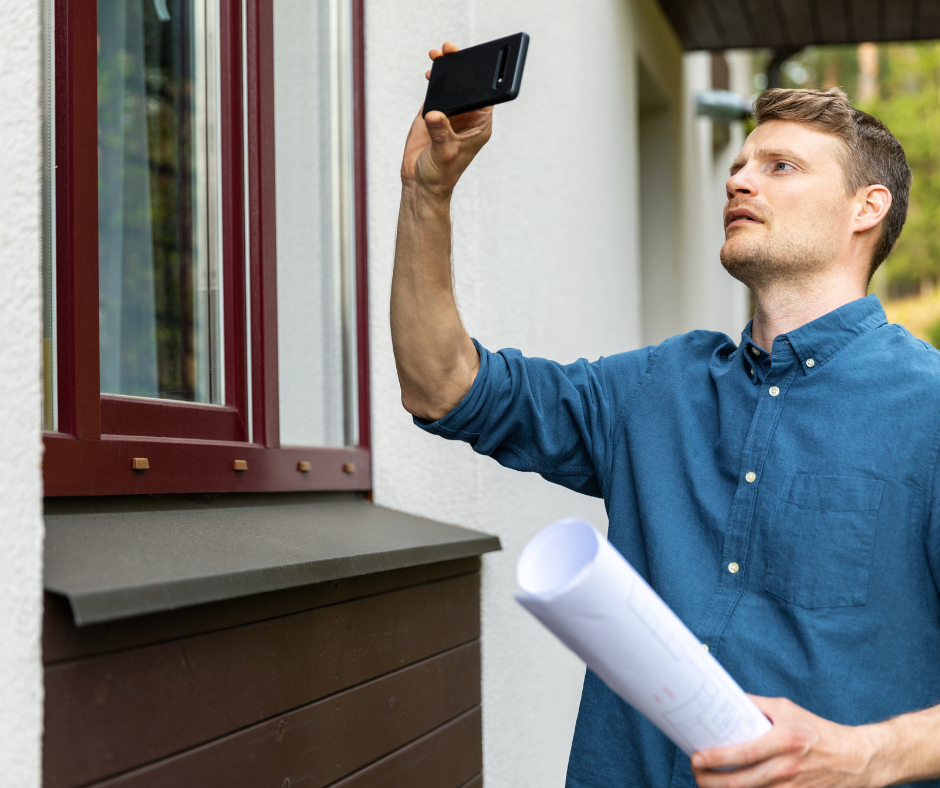
How to Get Your Security Deposit Back Are you about to make your move into a new rental, and are worried about getting your security deposit back? Here are 9 tips to help get the full deposit back quickly. Review Your Lease Before moving out, it is important to first read your lease again. The lease will describe when and how to notify your landlord that you are leaving, and will provide you with information about the requirements for getting your security deposit back, and how long the landlord has to return it. Document Damage When you first move into your new place, you should take photos to document any pre existing damage and send them to your landlord at the beginning of your rental home. This includes holes or marks in the wall, and general wear and tear in the home. By providing proof of damages that occurred before you, you are more likely to receive the full deposit at the end of your rental term. Give Proper Notice The general expectation for proper notice of leaving a rental is 30 days, though this length can vary by state. Refer to your lease’s terms and conditions to ensure you follow proper lease termination protocol. Giving your landlord proper notice in advance can increase your likelihood of receiving the full deposit back. Conduct a Walk-through Before leaving the rental, ask the landlord to complete a walk-through of the property with you. When doing this, the landlord can point out what needs to be repaired and cleaned before moving out. Knowing the landlord’s expectations upfront allows you to focus on changing what matters to get that deposit, instead of spending time and effort on areas of the rental that will be overlooked. Repair Damage Once you have completed the walkthrough with your landlord, use this information to fix any damage that occurred to your home during the rental term. In some cases, you will be able to complete this on your own, such as patching small holes and repainting. In other cases, you will need to consult the help of a professional, such as a plumber to fix the sink or an electrician to replace a lighting fixture. Clean Thoroughly In addition to making repairs, you should also clean the rental as thoroughly as possible. This involves scrubbing the floors, wiping down the inside and outside of appliances, cleaning countertops, and disinfecting toilets. The more clean the home is, the more likely you will receive the deposit back in full. Do Your Own Inspection After repairs are made and cleaning is complete, conduct one last walkthrough with the landlord to ensure that every area of the home is up to standard. Make sure to receive their feedback and make any changes accordingly. Return the Keys After you have moved out, return the rental keys to the landlord. Be sure to consult the lease, or contact the landlord for information on whether to return them by mail or in person. Additionally, if you lent out or lost any spare keys, notify the landlord as soon as possible so they can quickly replace the locks. Contact Your Landlord Upon moving out, contact your landlord to request the security deposit back and give them your new address for mailing. Typically, the landlord has 30 days to return the deposit, but this length of time can vary depending on the lease. If your landlord responds that they will be taking part or all of the deposit to pay for damages, ask them for an itemized list of the deductions and damages. Contact Us We would love to hear from you! So let’s set up a meeting today. Please fill out the form and you will receive an email from us. If you do not get the email in the next 5 minutes, check your spam/junk folder. We will make sure that someone gets in touch with you as soon as possible.
10 Things You Should Do When Renting a Property

10 Things You Should Do When Renting a Property 1. Research the neighborhood Before making a firm decision on a property, be sure to research the neighborhood it is located in and the surrounding area. While renting may be temporary, you certainly do not want to spend six months to a year of your life in a less-than-desirable part of town. It is first important to look into crime rates to gain an understanding of safety. Also consider the proximity to necessary amenities like grocery stores, pharmacies, hospitals, and dental offices. Take your interests into consideration as well, and check out the local retail stores, entertainment, restaurants, nature trails, and gyms. 2. Read the lease terms Read the property lease thoroughly before signing to ensure you understand all the rules and regulations listed in the contract. It may also be helpful to have a real estate expert or attorney to make sure it is fair and to explain any concepts you may not understand. Rules to look out for include pet policies, maintenance expectations, form and time of payment, and how to break the lease before the expiration. 3. Inspect the property If you are required to put down a security deposit, you will want to document the property’s current condition before you settle in. Take photos to submit to the landlord, and ask for a move-in checklist that specifies the features the landlord will examine before you enter and after you leave. This can protect you from having to pay for damage that was caused by previous tenants. 4. Get renter’s insurance Anything can happen upon moving in, no matter how prepared you are; natural disasters, fires, and break-ins occur too often to not be protected. Invest in renters insurance upon moving in to protect your belongings in case of water/fire damage and theft. 5. Set up automatic payments If your landlord accepts online bank transfers for payments, set up automatic payments so you don’t have to worry about missing a month. This will allow you to think about one less thing during the month, and maintain a good relationship with your landlord by being timely. 6. Keep up with maintenance Don’t wait til the last minute to submit a maintenance request! Notify your landlord immediately when something breaks or shows signs of damage. Depending on the cause of the damage, the landlord may cover the cost of repairs (daily wear and tear, for example, is typically covered). If you do not receive a timely response and the repair needs taken care of right away (like a leak), have a repairman take a look, and tell your landlord afterward. 7. Do a deep clean Cleaning your new rental thoroughly is important for a fresh and clean start, especially since you don’t know how well the previous tenants cleaned. Before unpacking and settling in, clean up the dust and dirt, then get rid of germs and bacteria by sanitizing or disinfecting. 8. Learn about customization rules Before you start painting walls and hanging pictures, talk to your landlord about the customization rules of the property. Any desired change in the look of the property should always be discussed with a landlord ahead of time. It is also helpful to review the lease for restrictions in order to get your full security deposit back. 9. Talk to the landlord Strive to form a solid, respectful relationship with your landlord that encourages communication. By being open and honest about issues with the property in civil conduct, the landlord is more likely to work with you. Maintaining this relationship may also prove helpful in the long run if you would like the lease to be renewed. 10. Request your security deposit Once your stay has come to an end, don’t forget to request your security deposit back. You may be able to speed up the process by asking the landlord for a walk-through of the property to assess any damage together. If there is damage, you may be able to negotiate how much of the deposit should be used for repairs and how much should be returned. Contact Us We would love to hear from you! So let’s set up a meeting today. Please fill out the form and you will receive an email from us. If you do not get the email in the next 5 minutes, check your spam/junk folder. We will make sure that someone gets in touch with you as soon as possible.