
How to Deal with Bad Neighbors

One-Story Homes vs. Two-Story Homes You have just moved into your dream home in your dream neighborhood and all is well…until you are awoken at five in the morning by the noisy residents next door. Bad neighbors are an annoying part of neighborhood life, especially if you live in a townhouse or condo. Luckily, there are approaches you can take to deal with these less-than-desirable neighbors. Be a model homeowner The first step towards approaching bad neighbors is to first conduct some self-reflection to make sure you are being a pleasant neighbor. Evaluate your noise level – are you keeping TV and music volumes at a respectable level during the day and at night? Are your pets quiet and non-threatening to passersby? Is your yard kept well-maintained, and do you respect property lines? If you answer no to any of these questions, you should first work to resolve these issues before considering approaching your neighbor. You may find that they are causing disturbances in response to your own. Be friendly first To resolve neighborhood conflicts peacefully, you should first attempt to develop a friendly relationship with your neighbors. After all, how can you approach them if you don’t even know their name? If you are kind towards your neighbors and make regular conversation, they may be less likely to cause you trouble. It also helps to establish good communication whenever there is an instance where noise levels and disturbances may increase. For example, it would be kind to notify your neighbors of increased noise if you plan to have a party or renovate the home. Be sympathetic When you do decide to confront your neighbor about the disturbances, it is important to do so peacefully and understandingly. It’s a good idea to invite your neighbor to sit down and talk about the situation so they know that you are serious about the matter. Avoid creating accusations, as this may escalate the meeting and make it harder for the problem to be resolved. If your neighbor also expresses some complaints about you, be calm and thoughtful in your responses. The goal of this meeting is to come to an equal understanding and solution, so avoid bringing emotions into the matter. Document everything Under ideal circumstances, you won’t have to involve a third party to be relieved of your neighbor’s disturbances; however, this is not always the case. If you do have to contact the HOA, neighborhood group, city building department, an attorney, or the police, it is important to have the facts and proof readily available. This documentation should include notable dates, times, emails, texts, and photos. Research the rules Before you decide to take legal action to deal with the issue, make sure you know what you are talking about. Contact your HOA to get an understanding of the community rules, and consult a lawyer to see what action you can take. After doing this, if you can determine that your neighbors need to follow the rules, notify them that you will take formal action if the problem does not get resolved promptly. As discussed above, it is essential to do this calmly so that you don’t cause any unnecessary upheaval. Contact the authorities If you have done everything you can to get your neighbors to stop creating disturbances, the last course of action you can take is to contact the authorities. Contacting authorities should be your last resort, so make sure to conduct research on which authority is the most relevant to handle the issue. Minor disturbances can be taken care of by city code enforcement or the HOA, whereas major and potentially harmful disturbances should be handled by the police. Contact Us We would love to hear from you! So let’s set up a meeting today. Please fill out the form and you will receive an email from us. If you do not get the email in the next 5 minutes, check your spam/junk folder. We will make sure that someone gets in touch with you as soon as possible.
One-Story Homes vs. Two-Story Homes
If you are actively seeking a rental home, you have likely come across a variety of floorplans. While the debate of one-story versus two-story may seem as simple as personal preference, there are a variety of factors you should consider when choosing between the two. Here, we share the pros and cons of both one-story homes and two-story homes to help you decide. One-Story Homes One-story homes can aid in simplifying your lifestyle when it comes to maintenance since everything is located on the same level. Inside, you won’t have to worry about lugging up vacuums and carrying items up and down the stairs; outside, you won’t have to worry about using scaffolding to clean gutters, paint siding, and clean windows. In addition to ease of cleaning, you may also find that your heating and cooling bills decrease with a one-story home due to less square footage. One-story homes are also safer to navigate for young children, the elderly, and people with mobility issues. Eliminating the stairs that lead to a second flood can reduce the risk of falls and accidents, and allow everyone to get where they need to be safe. Finally, one-story homes are easier to evacuate in the case of an emergency. Being ground level allows you to open any window in the event of a fire without having to worry about the fall. One-story homes are also the safest structures to be in during an earthquake. While one-story homes have great benefits, there are also some negatives to consider. The first con is the lack of space. If you desire a larger home, you will have to opt for a larger amount of land, which is often more expensive than two-story homes that only require vertical space. Privacy is also limited in one-story homes; all windows are ground level which means anyone can look inside, unlike a two-story home, in which the second-floor windows are too tall for peeking. Two-Story Homes Living in a two-story home brings an increased sense of privacy and safety. As mentioned above, windows on the second floor of a house create private spaces since there are no chances for outsiders to look in. Having two stories can also create a separation in the space, where the downstairs is used for friends and entertainment and the upstairs is used for family and private relaxation. If you choose a two-story home, you will also have a lower risk of burglars, since an open window on the second floor is more unattainable than one on the first floor. Thieves are also unlikely to risk going upstairs and back down carrying your items. Finally, having a second floor can make for a beautiful design inside and out, and a second-story porch or balcony allows for a lovely view. Just like one-story homes, two-story homes also come with some negatives. The first is a greater risk of accidents since accessibility to the entire home is limited by stairs. Young children will need to be carefully monitored, and parents may need to install a gate at the top and bottom of stairs to avoid dangerous falls. Elderly people or those with mobility issues may also wish to install a chair lift to access the second floor, which can be quite pricey. You may also find that your heating and cooling costs will increase, as you will have to adjust the thermostat frequently to find a comfortable temperature for the whole house due to hot air rising and cold air dropping. Finally, two-story homes may be noisier than one-story homes, since people will walk and talk above the first floor. If the home is not properly designed for acoustics, you may find these sounds to be cumbersome. Contact Us We would love to hear from you! So let’s set up a meeting today. Please fill out the form and you will receive an email from us. If you do not get the email in the next 5 minutes, check your spam/junk folder. We will make sure that someone gets in touch with you as soon as possible.
How to Decorate Your Rental Without Damaging It
Is Renting Right for You? Adding decorations to your rental is a great way to make it feel like home. However, you must be careful about the extent of your home decorating, since some items can leave damage. If you want to add some style and still get that security deposit back, consider using the following to add personality to your home. Houseplants Indoor plants can not only brighten up a room but also provide extra crisp oxygen and boost your health and well-being. Introducing plants to your rental home adds natural colors and texture, and can easily be moved around for a change of scenery. If you don’t have a green thumb, you can still partake in this decor trend by using fake plants. Real or artificial plants can be incorporated into corners of the home that need sprucing up, or on end tables and counters for a pop of color. Rugs If you find the flooring in your rental to be less than optimal, try incorporating a tasteful rug as a statement piece. Find a carpet that fits your personality by considering a variety of colors, patterns, and textures. Don’t forget to measure your space and use these measurements to find a rug that fits just right. A common mistake in buying rugs is buying rugs that are too small; if you are between sizes, opt for the larger one to fill the area. Light Fixtures If your rental home does not have a favorable lighting situation, adding stylish lamps can bring light and personality. Whether you are looking for a floor lamp or one to place on your bedside table, choose one that acts as a feature piece of a room. Whatever style you choose, be sure to use LED bulbs, which are more sustainable and last longer. Multipurpose Furniture Having furniture that can be used in multiple different scenarios is a great way to save money and space when decorating. For example, use an ottoman that doubles as blanket storage, or a compact desk that folds out into a table for dining. Storage Choosing stylish storage options allows you to organize your home and make it look great too! Woven baskets are a simple way to add color and texture to your home while serving as a storehouse for blankets, pillows, magazines, and more. Artwork Hanging up personal photos, artwork, and wall decor can dramatically change the environment and make your rental home feel like your own. To display these items without holes in the wall, you can use damage-free picture hanging strips, like Command hooks. Be sure to read the maximum weight that each strip can hold to prevent more oversized items from falling. Outdoor Spaces You can make the most of your outdoor spaces by adding decorating elements like rugs, small pieces of furniture, and plants. Rugs can make the area feel cozy, while seating will allow you to relax by yourself or entertain guests. Adding a small planter box filled with flowers, or some potted plants can turn your front or back porch into a mini-oasis. Contact Us We would love to hear from you! So let’s set up a meeting today. Please fill out the form and you will receive an email from us. If you do not get the email in the next 5 minutes, check your spam/junk folder. We will make sure that someone gets in touch with you as soon as possible. Houseplants
How to Get Your Security Deposit Back
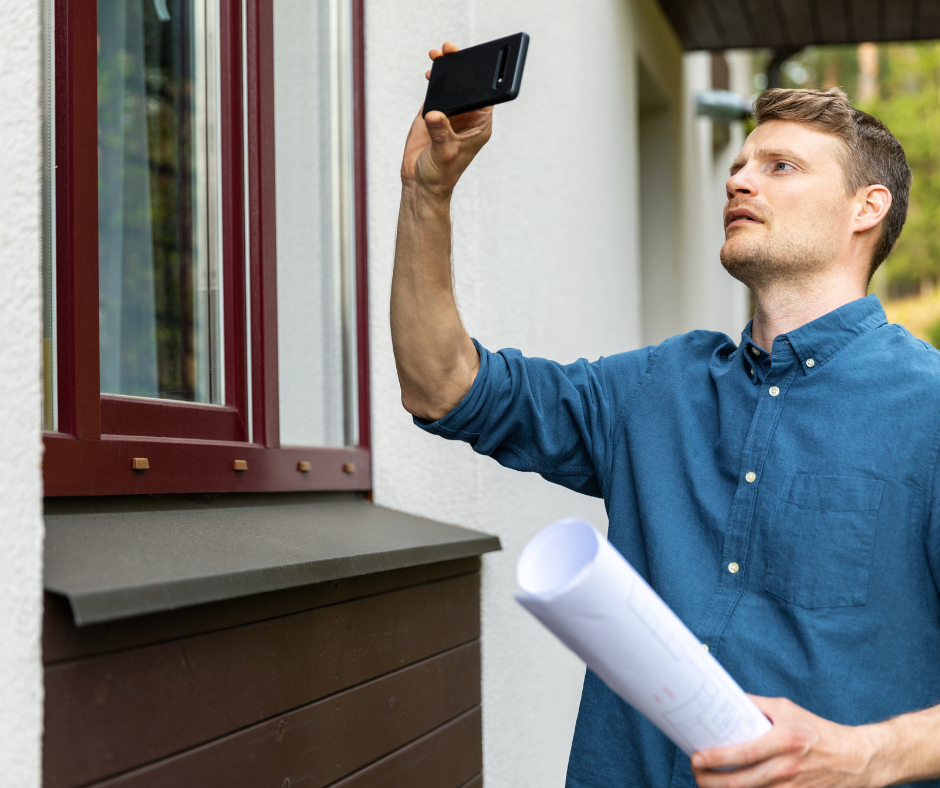
How to Get Your Security Deposit Back Are you about to make your move into a new rental, and are worried about getting your security deposit back? Here are 9 tips to help get the full deposit back quickly. Review Your Lease Before moving out, it is important to first read your lease again. The lease will describe when and how to notify your landlord that you are leaving, and will provide you with information about the requirements for getting your security deposit back, and how long the landlord has to return it. Document Damage When you first move into your new place, you should take photos to document any pre existing damage and send them to your landlord at the beginning of your rental home. This includes holes or marks in the wall, and general wear and tear in the home. By providing proof of damages that occurred before you, you are more likely to receive the full deposit at the end of your rental term. Give Proper Notice The general expectation for proper notice of leaving a rental is 30 days, though this length can vary by state. Refer to your lease’s terms and conditions to ensure you follow proper lease termination protocol. Giving your landlord proper notice in advance can increase your likelihood of receiving the full deposit back. Conduct a Walk-through Before leaving the rental, ask the landlord to complete a walk-through of the property with you. When doing this, the landlord can point out what needs to be repaired and cleaned before moving out. Knowing the landlord’s expectations upfront allows you to focus on changing what matters to get that deposit, instead of spending time and effort on areas of the rental that will be overlooked. Repair Damage Once you have completed the walkthrough with your landlord, use this information to fix any damage that occurred to your home during the rental term. In some cases, you will be able to complete this on your own, such as patching small holes and repainting. In other cases, you will need to consult the help of a professional, such as a plumber to fix the sink or an electrician to replace a lighting fixture. Clean Thoroughly In addition to making repairs, you should also clean the rental as thoroughly as possible. This involves scrubbing the floors, wiping down the inside and outside of appliances, cleaning countertops, and disinfecting toilets. The more clean the home is, the more likely you will receive the deposit back in full. Do Your Own Inspection After repairs are made and cleaning is complete, conduct one last walkthrough with the landlord to ensure that every area of the home is up to standard. Make sure to receive their feedback and make any changes accordingly. Return the Keys After you have moved out, return the rental keys to the landlord. Be sure to consult the lease, or contact the landlord for information on whether to return them by mail or in person. Additionally, if you lent out or lost any spare keys, notify the landlord as soon as possible so they can quickly replace the locks. Contact Your Landlord Upon moving out, contact your landlord to request the security deposit back and give them your new address for mailing. Typically, the landlord has 30 days to return the deposit, but this length of time can vary depending on the lease. If your landlord responds that they will be taking part or all of the deposit to pay for damages, ask them for an itemized list of the deductions and damages. Contact Us We would love to hear from you! So let’s set up a meeting today. Please fill out the form and you will receive an email from us. If you do not get the email in the next 5 minutes, check your spam/junk folder. We will make sure that someone gets in touch with you as soon as possible.
10 Things You Should Do When Renting a Property

10 Things You Should Do When Renting a Property 1. Research the neighborhood Before making a firm decision on a property, be sure to research the neighborhood it is located in and the surrounding area. While renting may be temporary, you certainly do not want to spend six months to a year of your life in a less-than-desirable part of town. It is first important to look into crime rates to gain an understanding of safety. Also consider the proximity to necessary amenities like grocery stores, pharmacies, hospitals, and dental offices. Take your interests into consideration as well, and check out the local retail stores, entertainment, restaurants, nature trails, and gyms. 2. Read the lease terms Read the property lease thoroughly before signing to ensure you understand all the rules and regulations listed in the contract. It may also be helpful to have a real estate expert or attorney to make sure it is fair and to explain any concepts you may not understand. Rules to look out for include pet policies, maintenance expectations, form and time of payment, and how to break the lease before the expiration. 3. Inspect the property If you are required to put down a security deposit, you will want to document the property’s current condition before you settle in. Take photos to submit to the landlord, and ask for a move-in checklist that specifies the features the landlord will examine before you enter and after you leave. This can protect you from having to pay for damage that was caused by previous tenants. 4. Get renter’s insurance Anything can happen upon moving in, no matter how prepared you are; natural disasters, fires, and break-ins occur too often to not be protected. Invest in renters insurance upon moving in to protect your belongings in case of water/fire damage and theft. 5. Set up automatic payments If your landlord accepts online bank transfers for payments, set up automatic payments so you don’t have to worry about missing a month. This will allow you to think about one less thing during the month, and maintain a good relationship with your landlord by being timely. 6. Keep up with maintenance Don’t wait til the last minute to submit a maintenance request! Notify your landlord immediately when something breaks or shows signs of damage. Depending on the cause of the damage, the landlord may cover the cost of repairs (daily wear and tear, for example, is typically covered). If you do not receive a timely response and the repair needs taken care of right away (like a leak), have a repairman take a look, and tell your landlord afterward. 7. Do a deep clean Cleaning your new rental thoroughly is important for a fresh and clean start, especially since you don’t know how well the previous tenants cleaned. Before unpacking and settling in, clean up the dust and dirt, then get rid of germs and bacteria by sanitizing or disinfecting. 8. Learn about customization rules Before you start painting walls and hanging pictures, talk to your landlord about the customization rules of the property. Any desired change in the look of the property should always be discussed with a landlord ahead of time. It is also helpful to review the lease for restrictions in order to get your full security deposit back. 9. Talk to the landlord Strive to form a solid, respectful relationship with your landlord that encourages communication. By being open and honest about issues with the property in civil conduct, the landlord is more likely to work with you. Maintaining this relationship may also prove helpful in the long run if you would like the lease to be renewed. 10. Request your security deposit Once your stay has come to an end, don’t forget to request your security deposit back. You may be able to speed up the process by asking the landlord for a walk-through of the property to assess any damage together. If there is damage, you may be able to negotiate how much of the deposit should be used for repairs and how much should be returned. Contact Us We would love to hear from you! So let’s set up a meeting today. Please fill out the form and you will receive an email from us. If you do not get the email in the next 5 minutes, check your spam/junk folder. We will make sure that someone gets in touch with you as soon as possible.
What’s the Difference Between Cleaning, Sanitizing and Disinfecting?
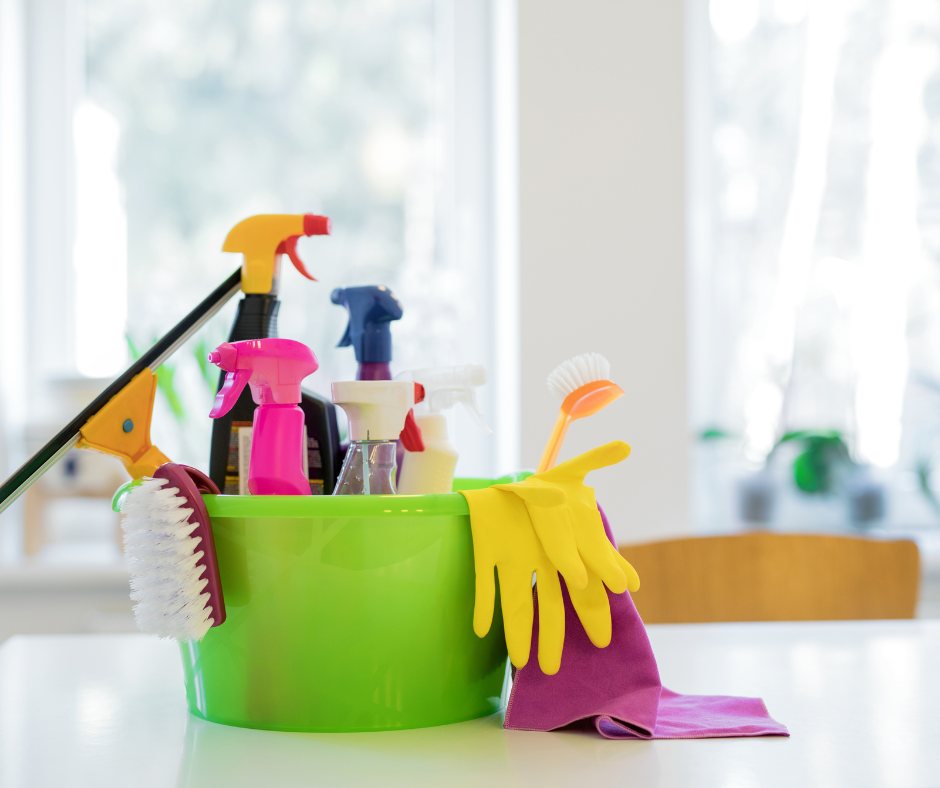
What’s the Difference Between Cleaning, Sanitizing and Disinfecting? Get Rid of Those Germs While the change in colder weather feels delightful, it also brings a season of sickness. Knowing how to properly get rid of germs is crucial to keeping your family and friends safe. In this blog, we learn the difference between cleaning, sanitizing, and disinfecting and how to create a routine that reduces the spread of sickness-inducing bacteria. Cleaning Cleaning focuses on the appearance of the home and often involves organizing, decluttering, and wiping down surfaces so they appear neat and shiny. All-purpose cleaners and soap and warm water can be used to remove surface stains, smudges, fingerprints, dust, and debris from surfaces. Examples of cleaning include dusting baseboards and wiping down countertops. While cleaning products can remove some germs, the main goal of cleaning is to improve the overall look, feel, and smell of the home. It is great for making your home look tidy and removing dirt and grime buildup; however, cleaning does not rid the area of bacteria, viruses, or fungi. Once you have done the initial cleaning, you will want to move on to sanitizing and disinfecting areas of the home that receive daily wear and tear. Sanitizing Cleaning is mostly about the appearance of the home, but sanitizing removes most of the bacteria that can cause health concerns. Sanitizing is important to minimize the spread of illnesses, especially on surfaces that have frequent contact with food. Sanitizers contain pathogens that prevent cross-contamination by reducing germs and fungi. For a solution to be considered a sanitizer, it must have a formula with 60% to 95% alcohol concentration. Some items and surfaces can be sanitized using liquids that are above 170 degrees Fahrenheit. Dishwashers, washing machines, and steam cleaners are all tools that sanitize items, fabrics, and surfaces. Disinfecting One step further than sanitizing is disinfecting, which kills bacteria and viruses. A high-quality disinfectant spray should remove 100% of the microscopic organisms on hard surfaces, which kills and prevents the spread of illnesses. Disinfecting solutions need to remain in contact with the surface for the recommended time on the manufacturer’s label to be most effective, which may take up to ten minutes. Because disinfectants are stronger than other cleaning and sanitizing products, safety precautions should be taken when using them. It is important to never mix disinfectants with other cleaners and to label all solution containers. Also be sure to store disinfectants out of reach of children and pets, and wear gloves when handling these harsh chemicals. Make a Routine Now that you know the difference between cleaning, sanitizing, and disinfecting, let’s learn how to properly create a routine to keep your home sparkling and healthy. There are many areas of the home that are touched daily and should be regularly cleaned to reduce germs and prevent the spread of harmful bacteria. Surfaces like tables, countertops, doorknobs, light switches, computers, phones, and toilets are the most common places for germs to inhabit. First clean these areas using an all-purpose cleaner to remove dirt and debris buildup, which can cause sanitizers and disinfectants to be less effective. Then, decide whether a sanitizer or disinfectant is most appropriate for the surface. For daily cleaning and surfaces like dishes, couches, and floors, use a sanitizer. For deep cleaning, or when ridding a home of sickness, use disinfectants on countertops, toilets, doorknobs, and cell phones. Always remember to check manufacturer labels to ensure you clean your home effectively and safely. Contact Us We would love to hear from you! So let’s set up a meeting today. Please fill out the form and you will receive an email from us. If you do not get the email in the next 5 minutes, check your spam/junk folder. We will make sure that someone gets in touch with you as soon as possible.
Why Renting May Be Right for You

Add Your Heading Text Here While owning a home may be a lifetime goal for many people, homeownership does not match everyone’s lifestyle. The costs that come with buying and owning a home can be significant, allowing some families to opt for renting a home. Not only does renting offer financial benefits for families, but it can also offer flexibility that is suitable for a more nomadic lifestyle. Here, we share five reasons why renting may be a better option than buying. 1. No Down Payment Home buyers must place a hefty down payment when purchasing a home, which is typically equal to about 20% of the property’s value. Renters generally have to pay a security deposit, which is equal to one month’s rent. For comparison, a 20% down payment on a house with a market value of $200,000 is $40,000, while the average monthly cost of rent for one of the most expensive places to live in the US is $4,419. Though a down payment results in the homeowner having equity in the home, which increases as the mortgage is paid, a down payment is significantly higher than a renter’s up-front costs. If you find that you do not have a substantial amount of money for a down payment, then the most logical option is to rent. 2. No Maintenance or Repair Costs One of the benefits of renting is that the maintenance and repair costs are little to none. The owner of the property, or the landlord, has a responsibility to provide regular maintenance, home improvements, and repairs. If you find that your rental home has a leak in the roof, a crack in the window, or an appliance that stops working, your landlord is required to fix or replace it. On the other hand, homeowners must take care of all repairs themself and cover the renovation costs. Depending on the age and condition of the home when purchased, owners may find themselves in a pricey predicament when making repairs. 3. Flexibility in Location Because rentals are more short-term than owning a home, renters have more flexibility when it comes to location. If you desire to live in an expensive city, such as Los Angeles or New York, you will find that renting is much more attainable than buying a home. Renting is also great if you frequently relocate due to work, or just want to experience living in new places. In contrast, if you are looking to live in one location for a prolonged period, then you may want to consider investing the money you would use for rent, into buying a home. 4. Flexibility to Downsize At the end of their lease, a renter has the option to either renew or find a new property. This flexibility allows renters to downsize to a more affordable space if desired. It is easier to downsize with a lease than downsize from an expensive house due to the fees that come along with buying and selling a home. This is an important benefit for retirees who are looking to find a home that matches their budget. 5. Lower Insurance Costs To ensure their home stays protected, homeowners need to have a homeowners insurance policy, which on average costs $1,249 per year. Similarly, renters must have a renter’s insurance policy to protect their possessions. However, unlike homeowners insurance, renter’s insurance is much cheaper at an average of $179 per year. For this fee, the renter’s insurance typically includes furniture, computers, and valuables. Contact Us We would love to hear from you! So let’s set up a meeting today. Please fill out the form and you will receive an email from us. If you do not get the email in the next 5 minutes, check your spam/junk folder. We will make sure that someone gets in touch with you as soon as possible.
Protecting Your Rental for Hurricane Season

Hurricane Season If you have lived in South Carolina for any period of time, you are likely familiar with the onset of Hurricane Season, which begins June 1st and lasts through November 30th. During this time, the weather is unpredictable, but there are things property owners and tenants should do to prepare in case of an emergency. It is crucial to take precautions to protect your rental home, and your family, during the event of a hurricane; to help, we have provided some tips to follow. Check Your Insurance The first thing any property owner or tenant should do to prepare for hurricane season is to check their insurance policy. Most basic policies do not include coverage for storm or significant property damage. For this reason, it is important to ensure that property owners have coverage for flood and hurricane damage and understand the details of each policy. In addition to storm coverage, property owners should also require that tenants to have renter’s insurance (if it is not already required). This will allow the tenant’s personal belongings to be insured in the event of a natural disaster. Inform Tenants If you are a property owner or manager, it is a good idea to speak with your tenant about forming a plan in the event of a hurricane. Share the precautionary measures you have already taken to protect the property, and refer them to preparedness resources, such as scemd.org and ready.gov. This is especially important if the tenant is not familiar with the area, or has not lived in an area prone to natural disasters. You should also ask tenants about their plans for the storm, and whether they are planning to evacuate or stay in the unit. Prepare the Property Both property owners and tenants can take action to prepare the rental home for safety before a hurricane hits. Start by moving all outdoor furniture and decorations inside and removing any dead branches that could potentially cause damage to the rental or other surrounding homes. If the property has hurricane shutters, double check that they are in place; if there are no shutters, board up the windows to protect them from high winds and debris. You should also check that your roof does not have any signs of a leak, and consider using hurricane straps to strengthen the roof and secure it to the home’s walls. To prepare the inside of the home, make sure to unplug all electronics and appliances to prevent damage from electricity loss. Also store important items and documents in a fireproof safe and stock your pantry to ensure you have food and water essentials for an extended period of time. Prepare Yourself Once your home has been prepared, there are more precautions property owners and tenants should take to keep themselves and others safe during a hurricane. First, it is important to stay informed about what is happening. The earlier you learn about the formation of a hurricane, the more time you will have to be prepared, and the less stressed you will be during the event. Keep an eye on local news sources and government websites to stay in the know about developments and ordinances. You should also make an emergency plan in advance, including an evacuation route and emergency contacts to refer to. Finally, pack an emergency kit that can easily be taken in case of evacuation. This should include three days worth of food and water for each family member, first aid kits, battery powered flashlights/lanterns, batteries, a tool kit, portable cell phone charges, and personal hygiene items. Contact Us We would love to hear from you! So let’s set up a meeting today. Please fill out the form and you will receive an email from us. If you do not get the email in the next 5 minutes, check your spam/junk folder. We will make sure that someone gets in touch with you as soon as possible.
How to Deep Clean Your New Rental

Deep Cleaning Tips Moving into a new rental is an exciting process, and an empty space allows for many new opportunities. But even if it appears that the previous renters left the unit perfectly clean, you should still perform a deep clean to ensure all areas are disinfected to give you a clean slate to live in. So, before you start to move in furniture and unpack all your belongings, use this guide to make sure your new home is sparkling clean! Start from the Top and Work Towards the Door Professional cleaners recommend cleaning one room at a time to make sure the dirt and dust does not spread to other areas of the home. The type of room you start in does not matter so much as the order you clean the rooms in. It is wise to first clean rooms that are at the back of the house to prevent backtracking and carrying dirt from dirty rooms to clean rooms. Also, when you start to clean, be sure to always start all the way at the top and work your way down. Items that are high up are likely to generate more dust; when these items are cleaning, this dust will likely fall onto the items below, causing more dirt to build up. For this reason, start by first cleaning your ceilings, ceiling trim, fans, and high cabinets. Next, move onto the walls, baseboards, countertops, and furniture; and lastly, clean the floors. Kitchen The kitchen is one of the most heavily used areas of the home and should be cleaned as soon as possible before you begin to unpack. Start by first cleaning the dishwasher by running a hot water cycle with only a cup of white vinegar in the top rack. Once this cycle is complete, run a second hot cycle by sprinkling a cup of baking soda on the bottom rack. It is also important to pay close attention to disinfect appliances like microwaves, ovens, and sinks to ensure all evidence of old food is gone. When cleaning the oven, you can clean the buttons, racks, and drip pans in the dishwasher for a deep clean (if they fit). If the racks are caked with grease and grime, you can soak them overnight in a sealed bag of ammonia. To clean the fridge, remove all the shelves you can and clean them by using a disinfectant wipe or soaking them in a vinegar and water solution. Finally, do not forget to wipe down all cabinets before you start placing your dinnerware inside. Bathroom The bathroom is a very personal space in the home, so it is important to make sure it is fully disinfected before you get comfortable. To start, replace the toilet seat for a fresh start and sanitize commonly touched surfaces such as the toilet handle, toilet paper holder, light switches, faucets, and door handles. Also make sure to disinfect the shower and/or bathtub. Wipe down these surfaces by using dish soap and a sponge, or mix equal parts soda, borax, and kosher salts to make a natural cleaning scrub. Be sure you do not overlook any areas and remember the more in-depth you clean now, the better you will feel later. Bedrooms The bedroom is another personal space in the home, and fortunately it is an easy room to clean. Be sure to follow the cleaning order discussed earlier, starting with the ceilings, and working your way down to the floors. When cleaning walls, a simple wipe down with a moist rag and all-purpose cleaner can get rid of most fingerprints, dust, and stains. Hardwood, linoleum, and tile can easily be swept and mopped with a floor cleaning solution. If you have carpet in the bedroom, vacuum the area and use a carpet cleaner to shampoo the carpet. If strong smells still linger, sprinkle a carpet deodorizing powder or baking soda; let sit and vacuum again Contact Us We would love to hear from you! So let’s set up a meeting today. Please fill out the form and you will receive an email from us. If you do not get the email in the next 5 minutes, check your spam/junk folder. We will make sure that someone gets in touch with you as soon as possible.
Top Tips for New Real Estate Investors
A Long-Term Investment Real estate has the potential to be an amazing long-term investment that goes beyond traditional assets. Though it can produce satisfactory returns, real estate investment requires dedication, research, and planning. Before you jump in and purchase your property, take a moment to consider these seven tips we have gathered for new real estate investors. 1. Know the Costs Any investment comes with a large financial commitment, and real estate is no exception. Buying a property requires a large down payment upfront, but there are more costs to keep in mind. In addition to renovations and preparation for the property to be inhabited by tenants, you must also consider basic maintenance, yearly upkeep, upgrades, furniture, appliances, utilities, and property taxes. 2. Select the Property Type Once you have determined the affordability of property investment, and gotten your finances in order, you must then decide the type of property you will choose to invest in. If you purchase a property for residential purposes, you can become a landlord for long-term homes or apartment rentals. Another residential option is investing in a home that is used for short-term rentals, such as a vacation home or Airbnb. If you are not interested in investing in a residential property, consider purchasing a building that businesses can rent for commercial purposes. If you want to skip dealing with tenants altogether, you may opt to purchase, flip, and sell a property for a quick return. 3. Select the Area In addition to the property type, the location of your investment can play a large role in your investment’s success. First, consider the purpose of your property; if your goal is to have a residential or vacation property, think about its proximity to entertainment, shopping stores, and schools. If you want to go the commercial route, make sure to analyze the population, parking availability, and demographics of the area. It is also pertinent to check and compare the market value of your desired property and the surrounding properties. Research rentals that could serve as your competition, and pay attention to their selling points and rental price. 4. Decide the Terms Once you have decided the type of property and the investment, you must then decide the terms of agreement for individuals who rent your property. These terms include the price of rent, fees, yearly costs, and emergency funds. When deciding the terms, consider the funds you need to maintain the quality of the property, how many potential tenants in the area are willing to pay, and the terms of surrounding properties. You may want to consider hiring a property manager to ensure your investment and finances are well taken care of, especially if you plan on purchasing more than one property. 5. Protect Yourself Making any property investment comes with a risk, so it is important to protect yourself and your assets. For this reason, consider using a limited liability company (LLC) to purchase one or more investment properties. When you do this, the LLC has ownership over the properties; if something goes wrong, you will not be held personally liable. 6. Keep Growth in Mind While your property will likely serve as a long-term investment, you may want to eventually sell it. No matter the reason for putting it back on the market, you will want to attain a profit. To make sure this happens, build your property’s value and make it appealing to buyers by making simple upgrades or additions. As you continue to make improvements, your property’s value will increase, and your hard work will pay off when the time comes to sell. 7. Keep Numbers on Hand Being prepared for every situation is important when managing your property. For this reason, keep a list of phone numbers of people that can readily assist you with your investment. This list should include property managers, an attorney, real estate professionals, and lenders. To be sure your property is well-taken care of in the event of a maintenance emergency, also include a list of plumbers, electricians, inspectors, pest control experts, handymen, and contractors. Contact Us We would love to hear from you! So let’s set up a meeting today. Please fill out the form and you will receive an email from us. If you do not get the email in the next 5 minutes, check your spam/junk folder. We will make sure that someone gets in touch with you as soon as possible.