
Current Industry Trends and News

Current Industry Trends and News in Property Management As the property management industry continues to evolve, it’s essential for landlords and property managers to stay up-to-date on the latest trends and news. Whether it’s changes in regulations, shifts in the rental market, or new technologies and tools, being aware of industry developments can help you stay ahead of the competition and make informed decisions about your properties. In this article, we’ll provide an analysis of current trends and news in the property management industry, with a focus on how they can impact your business. Understanding Industry Trends One of the most critical aspects of staying competitive in the property management industry is understanding the current trends. For example, changes in tenant demographics, such as the increasing number of millennials and Gen Z renters, can impact the types of properties that are in demand. Similarly, shifts in the rental market, such as changes in rental rates or occupancy rates, can affect pricing strategies and marketing efforts. Other industry trends to watch include the use of technology in property management, changes in regulatory compliance requirements, and the rise of sustainable building practices. By staying informed about these trends, landlords and property managers can adapt their strategies to remain competitive and attract and retain tenants. Impact of Regulations on Property Management Regulations and compliance requirements can also have a significant impact on property management. For example, new rent control laws may impact pricing strategies and rental income, while changes in fair housing laws may affect tenant screening and eviction processes. Additionally, it’s essential to stay informed about changes to building codes and zoning regulations, which can impact property maintenance and renovation projects. By keeping up with these regulations and requirements, landlords and property managers can ensure they are in compliance and avoid potential legal issues. Technologies and Tools for Property Management Advances in technology have also impacted the property management industry, with the rise of software and other tools designed to streamline operations and improve efficiency. For example, property management software can help automate rent collection, maintenance requests, and other tasks, while smart home technology can provide greater convenience and security for tenants. The use of online listing sites, social media, and other advertising channels has also made it easier for landlords and property managers to market their properties to a wider audience. By leveraging these technologies and tools, landlords and property managers can improve tenant satisfaction, reduce turnover rates, and increase their bottom line. Staying Ahead of the Competition In today’s competitive property management landscape, staying ahead of the competition is crucial for success. By staying informed about industry trends and news, landlords and property managers can identify new opportunities and adjust their strategies to stay competitive. For example, if the rental market is shifting towards shorter lease terms or flexible living arrangements, landlords and property managers can adjust their pricing strategies and marketing efforts to appeal to this trend. Similarly, by staying informed about new technologies and tools, landlords and property managers can adopt innovative solutions to improve their operations and attract tenants. Conclusion Staying informed about industry trends and news is essential for success in the property management industry. From understanding changes in the rental market and tenant demographics to staying up-to-date on regulatory compliance requirements and new technologies, being aware of industry developments can help landlords and property managers stay ahead of the competition and make informed decisions about their properties. By keeping these trends in mind, you can improve tenant satisfaction, reduce turnover rates, and increase your bottom line.
Guidance for Landlords and Property Managers

Guidance for Landlords and Property Managers Evictions and Legal Issues Navigating the legal aspects of being a landlord can be challenging, especially when it comes to evictions. It’s essential to understand local eviction laws and procedures, as well as knowing how to handle legal issues that may arise with tenants. In this article, we’ll provide guidance on how to handle evictions and legal issues, including filing notices, working with lawyers, and more. If you’re a landlord or property manager, this information can help you protect your investments and ensure your tenants are complying with lease terms. One of the most important steps in the eviction process is to understand local eviction laws and procedures. These laws can vary greatly from state to state, and even from city to city. It’s important to become familiar with the specific laws in your area, including the notice requirements and the steps that must be taken to legally evict a tenant. In most cases, evictions are the result of a tenant violating the terms of their lease agreement. Common reasons for eviction include non-payment of rent, damaging the property, or engaging in illegal activity on the premises. Before beginning the eviction process, it’s important to review the lease agreement and determine if the tenant has violated any of the terms. Once it’s been determined that an eviction is necessary, the next step is to file the proper notices. The specific requirements for these notices can vary by state and city, so it’s important to consult with a local attorney or eviction service to ensure that all requirements are met. Failure to follow proper notice requirements can result in delays in the eviction process, or even dismissal of the case altogether. In addition to following proper notice requirements, it’s important to work with a qualified attorney who is familiar with landlord-tenant law. A knowledgeable attorney can help ensure that all legal requirements are met throughout the eviction process and can represent you in court if necessary. It’s important to note that there are strict laws in place that protect tenants from unlawful evictions. Landlords cannot evict a tenant for discriminatory reasons, such as race or religion, or in retaliation for the tenant exercising their legal rights, such as filing a complaint with a housing authority. Landlords who violate these laws can face significant penalties, including fines and even criminal charges. In addition to handling evictions, it’s also important to be prepared to handle other legal issues that may arise with tenants. For example, if a tenant is injured on the property, the landlord may be held liable for any damages. It’s important to have proper insurance coverage in place to protect against these types of legal claims. Another common legal issue that can arise with tenants is disputes over security deposits. Many states have specific laws in place regarding security deposits, including how much can be charged, how long it can be held, and under what circumstances it can be withheld. It’s important to understand these laws and to have a clear process in place for handling security deposit disputes. In conclusion, understanding the legal aspects of being a landlord is essential for protecting your investments and ensuring your tenants are complying with lease terms. It’s important to become familiar with local eviction laws and procedures, to file the proper notices, and to work with a qualified attorney who is familiar with landlord-tenant law. By taking these steps, you can help ensure a smooth eviction process and handle any legal issues that may arise with tenants.
How Much Should I Budget for Repairs?

How Much Should I Budget for Repairs? One of the challenges of managing a property is determining whether property damage is from a natural cause, or a tenant’s negligence. Knowing the difference aids in determining who is responsible for the repairs and cost of repairs, as well as settling disputes when this argument arises. To help guide you, below are the definitions and examples of wear and tear, and damage, as well as how to determine which is which. Wear and Tear Simply put, wear and tear occurs naturally as a result of daily living; it is considered a depreciation, rather than an expense. For this reason, landlords are expected to make these repairs and cover the costs for them. However, just because these repairs may be small and expected, does not mean that they should be ignored. Wear and tear should be treated with the same care and attention as damage. Examples of wear and tear include: Hardware becoming loose Cracks forming in paint Worn patches in carpet in common traffic areas Slightly scratched countertops from pots and pans Damage On the other hand, damage is a direct result of the tenant, and is considered an expense on the tenant’s behalf. If the required repair is small and simple enough, then the tenant can repair the damage on his or her own, however, larger repairs should be inspected and handled by the property manager. In any case, the tenant is still responsible for the damage, and consequently, responsible for the costs. Examples of damage include: Stains in carpet Holes in wall (both small and large) Markings on wall Chipped and/or broken tiles Broken window and light fixtures How do I tell which is which? For starters, carefully examine and assess the situation with these definitions in mind. It can be quite easy to tell the difference between a worn patch in a carpet versus a cut-out square. However, some situations may require more thought than others, such as chipped paint on walls. Keep in mind that a good indicator of damage is if a repair or replacement is needed outside of regular maintenance. But, it is important for the property manager to use his or her best judgement and consider wear and tear versus damage on a case-by-case basis.
Earning a Tenant’s Trust

Earning a Tenant’s Trust Every relationship is ultimately built on trust. The relationship between a landlord and tenant must be one where both parties’ values, understands that integrity and mutual respect is the basis for their future together. Within the ever-expanding Myrtle Beach marketplace, developing new home opportunities between landlords and tenants is our constant process. Blending relationships between new residents in Horry County and annual leasing property owners is our specialty. A landlord has invested a lot of money to make a tenant home available. Their greatest need is for the tenant to pay their rent on time and treat the home well. A tenant is paying the landlord a market value to live in a home that the landlord should maintain the homes physical appearance, mechanical systems and coordinates scheduled work on the house with the tenant, when it is needed. They want to enjoy the property as their “home” and so they appreciate the landlord not being too involved in their daily life. Quiet enjoyment is a legal term that basically means they don’t like being harassed by a micro-managing or nervous landlord. Yard Maintenance: Yard maintenance is always a sore spot for tenants and POA’s, and tenants are rarely great landscape maintenance managers. They may lack the equipment or time to do what is necessary to stay in appearance compliance. We recommend the landlord include landscape maintenance with a professional lawn care company. If you contract with one who already maintains yards in the neighborhood, you can probably provide this service for about $100 per month. This is added value that the tenant will appreciate, and you will probably be able to adjust in your rental value to absorb most, if not all of the expense. Finding ways to bridge natural challenges between a landlord and tenant builds trust and a more enjoyable relationship. Property Management: Trust is worth working toward for all parties. Our role as a Property Manager is to remove the emotional aspect that often corrupts what should have been a good tenant and landlord experience. We use diplomacy and maintain a mission type focus on everyone’s common goal to enjoy life. Our consistent, trust in all parties guides our property management efforts to ensure that our clients achieve that valued partnership. Call us to so we can help you lease your properties and enjoy your life as a property investor. A tenant who trusts their Landlord is more likely to communicate with you to resolve problems. A tenant wants to be more than just another revenue stream. Also, the tenant is more likely to work with you, even if it causes an inconvenience to them. Ways to Earn Trust: Ways to earn the tenant’s trust include not overcharging for screening fees. South Carolina does not have a set limit on the amount you can charge for screening a tenant, so screening fees should not be a source of income. The same applies to late fees. Include yard maintenance in the rent. Most prospects moving to Myrtle Beach have a full-time job lined up, and they are looking for a great place to live with minimal lawn maintenance. It is proven that most people are so busy, and that they do not have time for lawn maintenance. Do you want to ensure your lawn is taken care on a regular basis? Unknown to most people, most lawn maintenance cost less than $100 a month. In addition to yard maintenance, be respectful of tenants’ rights to the property, such as the right to peaceful enjoyment. The Landlord covenants that the Tenant, on paying the rent and performing the covenants hereof, shall and may peaceably and quietly have, hold and enjoy the rented premises for the term mentioned without hindrance or interruption by the Landlord. Earning a tenant’s trust shows that you value them, and transparency and honesty go a long way.
How to Get Rid of a Bad Tenant

How to Get Rid of a Bad Tenant? Every property manager has high hopes that all of their clients will be friendly, cooperative, and will take care of the home. Unfortunately, every once in a while you will come across an unruly tenant. So what do you do when you want a client to leave, but do not want to deal with the timely and costly consequences of sending an eviction notice? In this article, we give property managers some solutions for getting rid of a bad tenant. Before trying to get rid of the tenant, make sure your motives are in the right place. Property managers should always have a just cause for wanting a tenant to leave. Examples of this may include a tenant that damages the property often, or has a habit of paying rent late every month. Once you have the notion established, you can then use this to decide the best course of action for getting the tenant to leave. You should also keep in mind that there are illegal ways to rid a tenant – and these can cause serious legal inflictions. To avoid this, never try to “self-help” evict a tenant by changing locks, refusing property necessities (AC, heat, water, electricity), damaging the property, or threatening the tenant into leaving. All of the methods discussed below are legal, but property managers should use their best judgement to determine if they are the most ethical and effective in given circumstances. Have a Conversation: The first method is to simply have a conversation with the tenant. This method works best for tenants who have habits of paying rent late, or cause minor disturbances. Listen to their explanations and try to understand situations- if you are open to working with the tenant, they may be willing to work with you. Landlords can legally end the contract early if both parties agree on the early termination. Or in some cases, ending a lease may not even be necessary if a compromise is established where the tenant agrees to resolve discussed issues. Raise Rent: If a conversation does not end in an agreement, or the tenant does not uphold their word for change, more aggressive methods may need to be enacted. The first of these is raising the rent once the initial lease is up for renewal. It is important to note that in raising rent, you must always check state laws that govern how much you can raise rent at one given time. In South Carolina, there is no limit to how much you can raise rent at a time, nor is there a maximum amount of times you can raise rent. However, property managers must give tenants a thirty-day notice before rent will be raised. This method is best for short term rentals, or in cases when a tenant’s leave is not time pressing. Cash for Keys: If the first two methods do not work, don’t file for eviction just yet. The legal fees and amount of time your property is vacant during the eviction can cost you a large sum of money. Instead, an aggressive, but legal, solution is available that will get the tenant out and save you money. The “Cash for Keys” method gives the tenant a sum of cash in exchange for them leaving the property peacefully, and earlier than the lease. In determining the price to offer the tenant, consider offering a return on the unused time in the month of rent. Offering a tenant $500 is more cost effective than upwards of $7,000 for eviction. If you decide to enact this method, make sure to set specific conditions for the agreement to ensure your property is in perfect condition upon the tenants’ leave. The most important thing to remember when attempting to get a tenant to leave, is to treat them with respect and kindness. Eviction almost always causes angry tenants, which can result in property damages. But by taking a negotiative approach and offering compromises, property managers are more likely to achieve peaceful riddance of a pesky tenant.
How Do You Recognize a Good Investment When You See One?
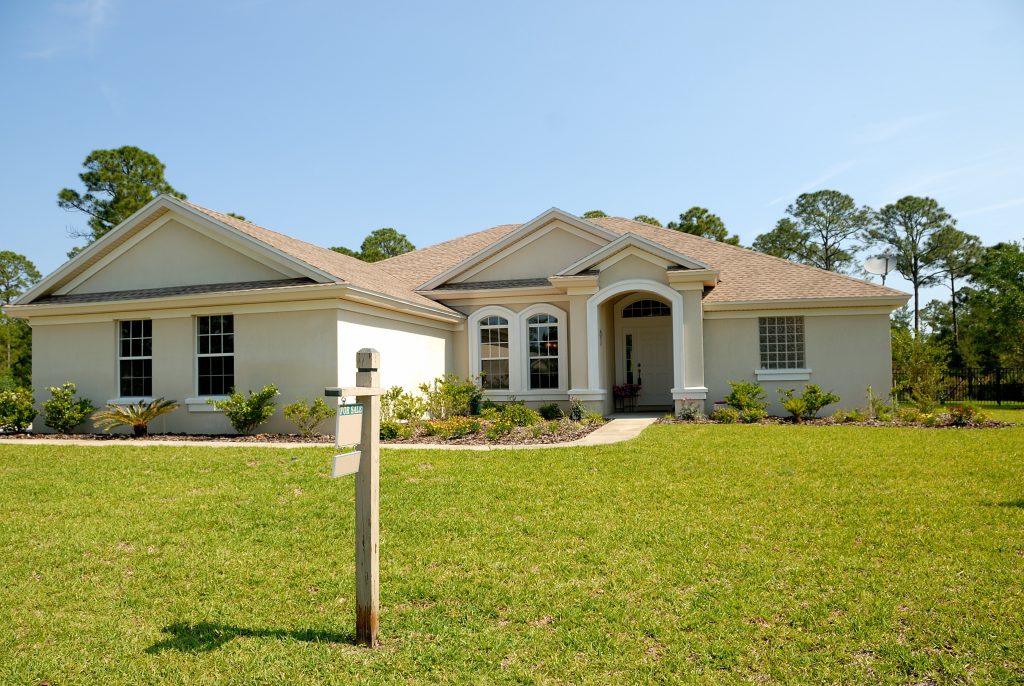
How Do You Recognize a Good Investment When You See One? At one time or another, you may have seen a “For Sale” sign on a house and thought to yourself, “I could make a profit off of that.” But, some properties have more potential for success than others. So, how do you recognize a good investment when you see one? Listed below are three considerations you should make before investing in a property. Property Location The first consideration you should make when looking at good investment properties is the location. For this process, you should set aside your personal living preferences, and examine the most ideal spot for potential tenants. For example, a unit in an urban community is most likely going to bring more traffic than a house in the countryside. Along with community location, you should also consider what shops and activities are available in the area. Examples of ideal shopping conditions include a grocery store, a convenience store, and a clothing/merchandise store. Activities vary based on specific locations, but can include the beach, tourist attractions, nature centers, libraries, recreation centers, and restaurants. Two more important aspects of location are the property’s proximity to schools and to workplaces. Determining ideal property locations for these conditions requires research about the leading occupations in the area, as well as the most popular schools. Researching schools in the area is especially important if you are targeting families and college students as potential tenants. These clients may be willing to pay more just for being closer to a highly-desired school. Property Condition When making a big purchase decision such as buying a property, you want to make sure the building itself is intact. If you are looking to invest in a recently constructed or renovated property, you will find yourself making a hefty purchase price. On the other hand, if you buy a fixer-upper, you will need to invest significant funds to get it in a rentable condition. It is most important to make sure the building is structurally sound and complies with regulations. This can be confirmed by a home inspector. Keep in mind that most properties are going to require repainting, window treatments, and/or appliance purchases; however, it is advised to stay away from properties that require major repairs like severe water damage or electrical problems. Along with the condition of the building itself, you should also pay attention to the curb appeal. Ideally, landscaping should be as simple as possible to save time and money during upkeep. While a large yard may be appealing to some tenants, if it is left unlandscaped it can become a hassle and an eye sore. A small yard can be dressed up with mulch, rocks, and small bushes/plants to make the outside of a unit look clean-cut while keeping maintenance low. Current Market The last, and arguably most important consideration when determining if a property is a good investment is the current state of the real estate market and economy. As a general rule of thumb, investors should buy low and sell high, however it can be difficult to determine what price is considered low when trying to invest in a fluctuating market. Two methods used to quickly gauge potential profitability are the 1% rule, and the 100 times rule. The 1% rule states that to produce a positive cash flow, at least 1% of the property’s purchase price should be able to be charged for rent. If you do not think you can charge that high of rent for the property, it is likely not a good investment. The 100 times rule states that if the price of the property is 100 times less than the rent, then it is likely to be a good investment. Both of these methods are good for general estimates, however you will need to perform more detailed calculations to determine if a property is truly a good investment. This entails gathering info such as monthly mortgage payments, property taxes, vacancy rate, and maintenance estimates and subtracting it from the amount of rent you expect to receive each month. Budgeting is an essential part of investment management and can be the difference between making a good or bad investment.
Wear and Tear Vs. Damage

Wear and Tear Vs. Damage One of the challenges of managing a property is determining whether property damage is from a natural cause, or a tenant’s negligence. Knowing the difference aids in determining who is responsible for the repairs and cost of repairs, as well as settling disputes when this argument arises. To help guide you, below are the definitions and examples of wear and tear, and damage, as well as how to determine which is which. Wear and Tear Simply put, wear and tear occurs naturally as a result of daily living; it is considered a depreciation, rather than an expense. For this reason, landlords are expected to make these repairs and cover the costs for them. However, just because these repairs may be small and expected, does not mean that they should be ignored. Wear and tear should be treated with the same care and attention as damage. Examples of wear and tear include: Hardware becoming loose Cracks forming in paint Worn patches in carpet in common traffic areas Slightly scratched countertops from pots and pans Damage On the other hand, damage is a direct result of the tenant, and is considered an expense on the tenant’s behalf. If the required repair is small and simple enough, then the tenant can repair the damage on his or her own, however, larger repairs should be inspected and handled by the property manager. In any case, the tenant is still responsible for the damage, and consequently, responsible for the costs. Examples of damage include: Stains in carpet Holes in wall (both small and large) Markings on wall Chipped and/or broken tiles Broken window and light fixtures How do I tell which is which? For starters, carefully examine and assess the situation with these definitions in mind. It can be quite easy to tell the difference between a worn patch in a carpet versus a cut-out square. However, some situations may require more thought than others, such as chipped paint on walls. Keep in mind that a good indicator of damage is if a repair or replacement is needed outside of regular maintenance. But, it is important for the property manager to use his or her best judgement and consider wear and tear versus damage on a case-by-case basis.
Do I Have to Supply and Maintain Appliances in My Property?

Do I Have to Supply and Maintain Appliances in My Property? Imagine you are a potential tenant who has just found your dream renting space. You are about to seal the deal, but you suddenly realize that the kitchen is quite bare. Appliances like fridges and stoves appear to be a necessity that should be supplied in all properties, but is this really the case? In this article, we take a deeper look into who should be responsible for supplying and maintaining appliances in a rental property. Laws: Currently, there are no state laws that require landlords to supply appliances (aside from heating and air conditioning, which are required as necessities). However, the South Carolina Landlord-Tenant Act does require landlords to outline and uphold the contract of whatever appliances they do decide to provide. This includes maintenance along with the provisions. While appliances are not legally required, it is worth weighing the options of supplying tenants with the basics. Short Term vs. Long Term: Appliances tend to be an attractive quality to potential tenants, as many are looking to move-in-ready options. If your rental property is located in a heavy traffic spot, such as a vacation town or college city, appliances are especially attractive to renters. Providing appliances also acts as a competitive advantage towards surrounding properties who have made the decision to not supply appliances. If a property manager’s desired clientele consists of short term renters, he or she should consider providing appliances. However, if a long-term tenant is the goal, he or she may want to consider excluding appliances to allow the renter to bring their own. If a landlord does not want to heavily invest in appliances, but still wants to reap the benefit of doing so, a solution is available by providing essentials such as a stove, refrigerator, and washer/dryer unit, and asking tenants to supply their own microwave, toaster, and coffee maker. Maintenance: When it comes to the maintenance of appliances, it is appointed to the person who owns the item. If a landlord provides a stove, and that stove has to be repaired after years of wear and tear, the landlord is responsible for repairing and paying for the maintenance. However, if the landlord supplies a fridge and the tenant breaks the light inside, the tenant is responsible for the damage and cost to fix it. So, should the landlord be responsible for supplying and maintaining appliances? South Carolina state law does not require landlords to provide appliances; however it is worth considering the benefits of doing so. Regardless, if a landlord does decide to provide appliances, he or she must uphold the provisions and maintenance as outlined in the lease.
Myrtle Beach Lease Expirations and Renewals

Myrtle Beach Lease Expirations and Renewals Overview Maintaining awareness of when your property lease expires is a key to repeated renewals by a tenant. Some landlords are afraid to contact or discuss the lease renewal in hopes the tenant will forget. But this is a poor concept. The tenant is going to do what is in their best interests, so addressing their future plans gives you a chance to have some input into their thinking. By establishing contact at least 90 days prior to expiration, you determine how they like living in the property. You also can address any unresolved maintenance issues and what you are doing to satisfy them in a timely manner. Additionally, they want to know if the rent will increase and by the amount the landlord will require. It’s possible the next year can be determined by a mutual agreement that satisfies both parties concerns. Moving is a hassle, expensive and there is no guarantee that the next residence will be a better lifestyle for them. Don’t be afraid to increase the rent – Educate your residents to expect small but incremental lease renewals. As a rental property owner, your bills go up annually. Build in a yearly rent increase just to stay even on your income. However, never be excessive in the amount of monthly increase. You never want to lose a good tenant over rent increases. The market adjusts periodically to a landlord’s advantage. Remember that over time, a good tenant can save you a lot of money in turnover costs and vacancy expenses. Our Services Whether you self-manage or use a property manager for your Myrtle Beach rental property portfolio, your goal is always the same — keeping great tenants for as long as possible is the name of this game. The Berkshire Hathaway HomeServices – Coastal Real Estate team is here to serve as a property management resource to you along the Grand Strand of Myrtle Beach. If you are working through a lease renewal or have questions on any other property management topics, give our team a call. 843-232-0000.
Complete Fall Maintenance Checklist for Your Rental Property
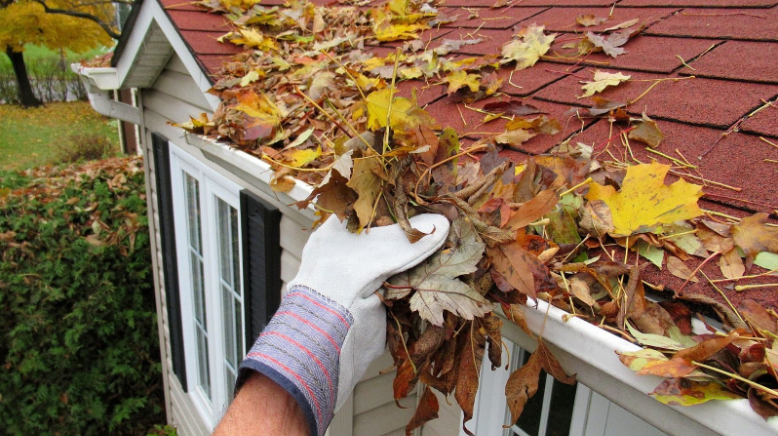
Complete Fall Maintenance Checklist or Your Rental Property Fall is nearly in full swing, and we want to make sure your rental property is ready for a change in season! Compiled below is a checklist of the areas you should pay attention to when preparing your property for the cooler months and the continuing storm season along the Grand Strand. Inspect the roof and clean out gutters Stop leaks before they happen by checking the roof for potential concerns; carefully search for holes or broken shingles. Before the autumn leaves start to fall, clean out the current leaves and twigs from your gutter to ensure it doesn’t become backed-up. Freshen up the landscaping Rake dead leaves, trim grass, and supply surrounding plants with the necessary nutrients. Trim trees that are close to your property and make sure they are stable enough for a storm to blow through. If a tree close to the property is dead, consider removing it to make sure no future damage ensues. Don’t forget to check the drainage system in the yard and make improvements if necessary. Not only does a freshly manicured lawn look appealing, but it can also help save your home when a storm blows through. Replace batteries and lightbulbs To ensure your tenants stay safe, replace the smoke detector and carbon monoxide detector batteries, and test both to confirm that they are working properly. Remember that the batteries should be replaced every six months, and the detectors should be tested every month. To make sure your tenants stay happy and bright, replace lightbulbs as needed in both the interior and the exterior of the property. Seal everything Check all doors and windows to ensure they are properly sealed from harsh wind and rain, and to save on heating and energy costs. If you find them less than satisfactory, seal concerning areas with caulking. In some cases, windows and doors may have to be entirely replaced. Check and maintain HVAC system To guarantee it works properly and lasts longer throughout the fall and winter months, perform routine maintenance on your property’s HVAC system. It is recommended to replace the filters every thirty to ninety days, clean the vents regularly, and clean the outdoor unit as well. Most importantly, before the cold becomes too brutal, make sure your heating system works.